Director of 3D Spatial Environments
Role: Art / Creative Direction
At Blockchains Inc, I served as the Director of 3D Spatial Environments for the Equs X Social Media Platform. This innovative metaverse experience transformed 3D environments into vibrant hubs that fostered community and exploration, all powered by blockchain technology. Imagine a space where your online identity is not just represented by an email address, but through standardized tokenization and verification on the blockchain! This empowering approach allows users to truly express themselves, ensuring that every decision and opinion reflects their authentic selves. As you navigate this dynamic platform, you connect with like-minded individuals, share your unique 3D space, and build meaningful relationships. It was exciting to be part of a project that champions ownership of our social identities and encourages genuine connections in a digital world!
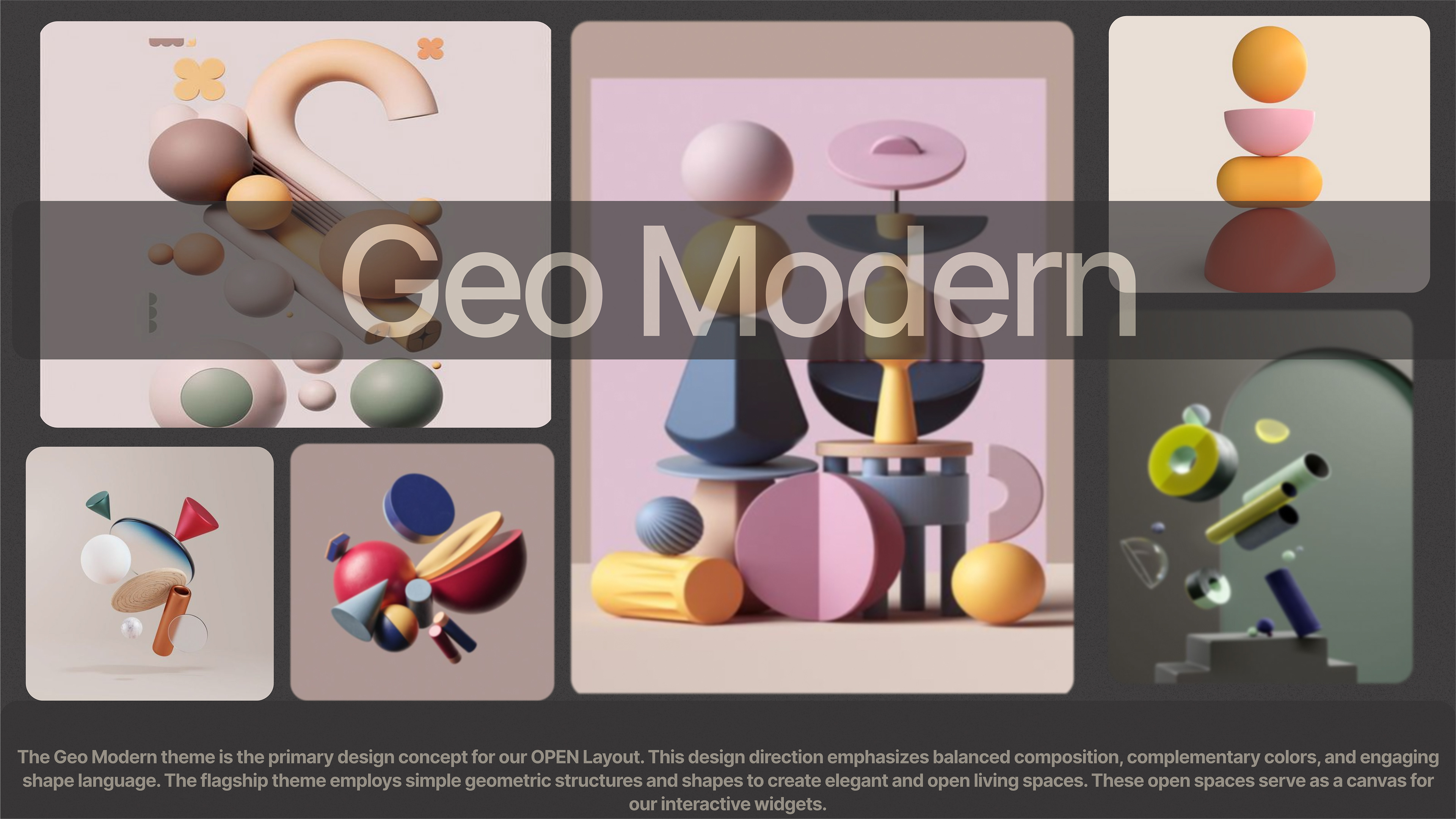
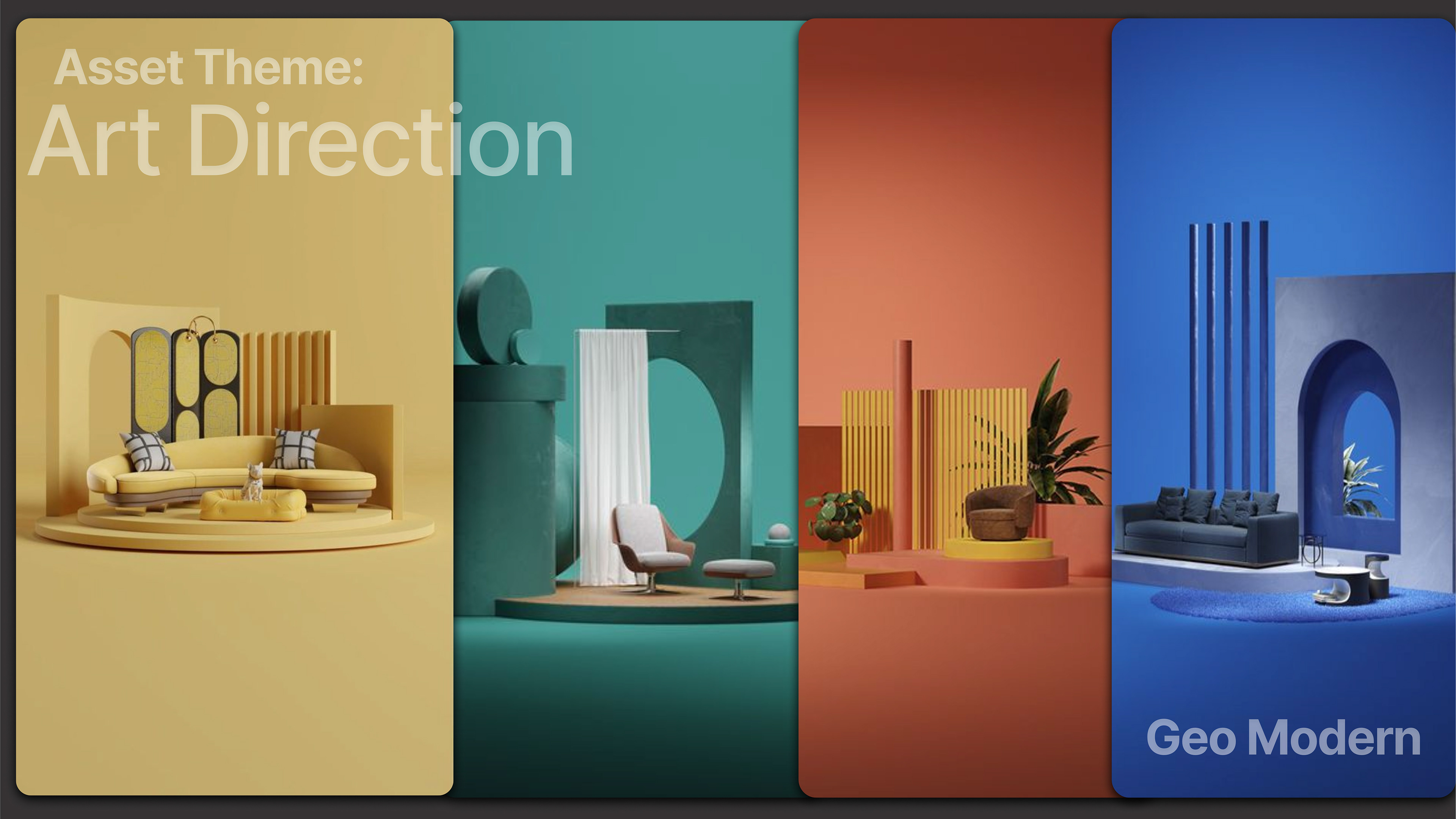
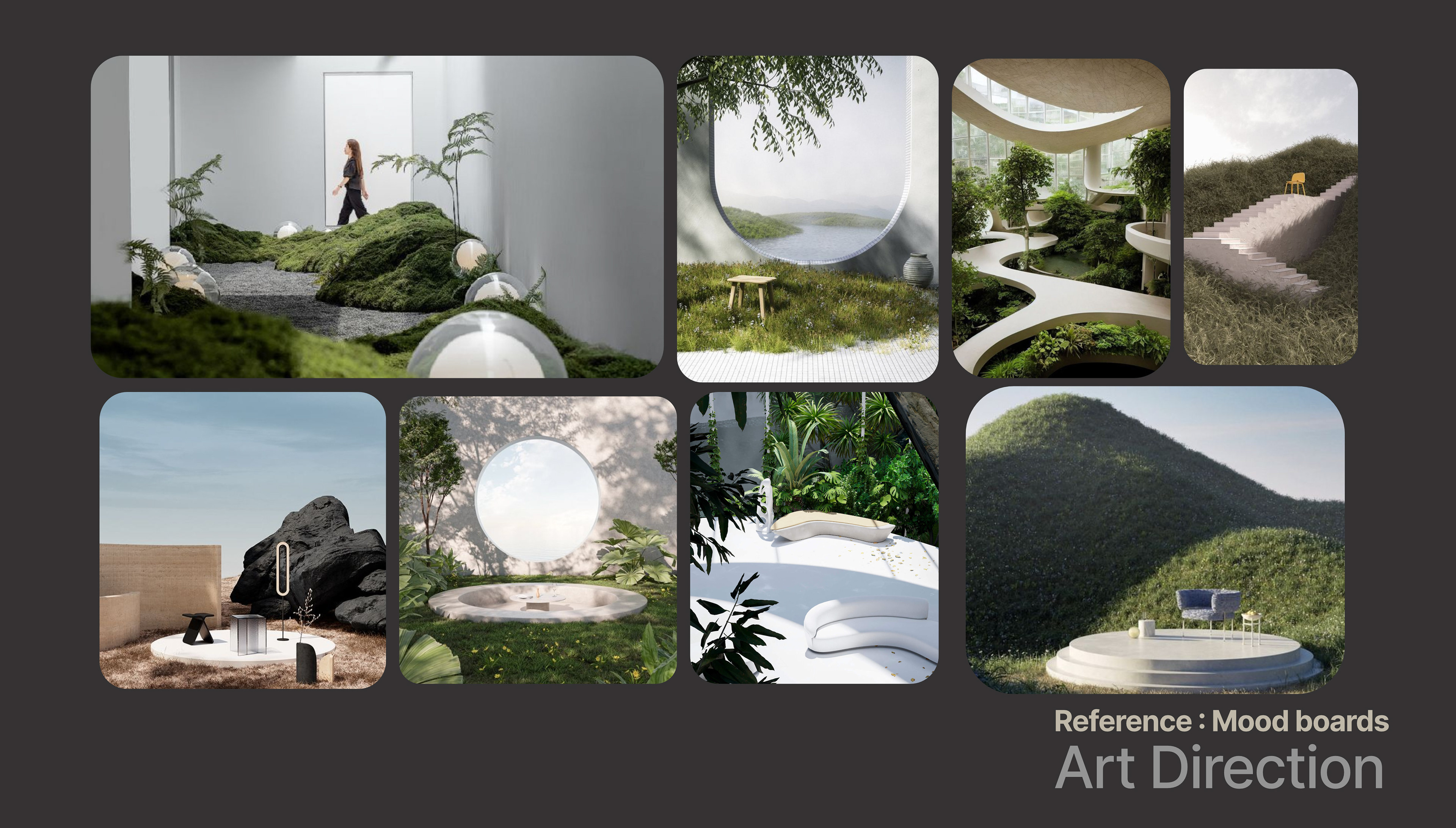
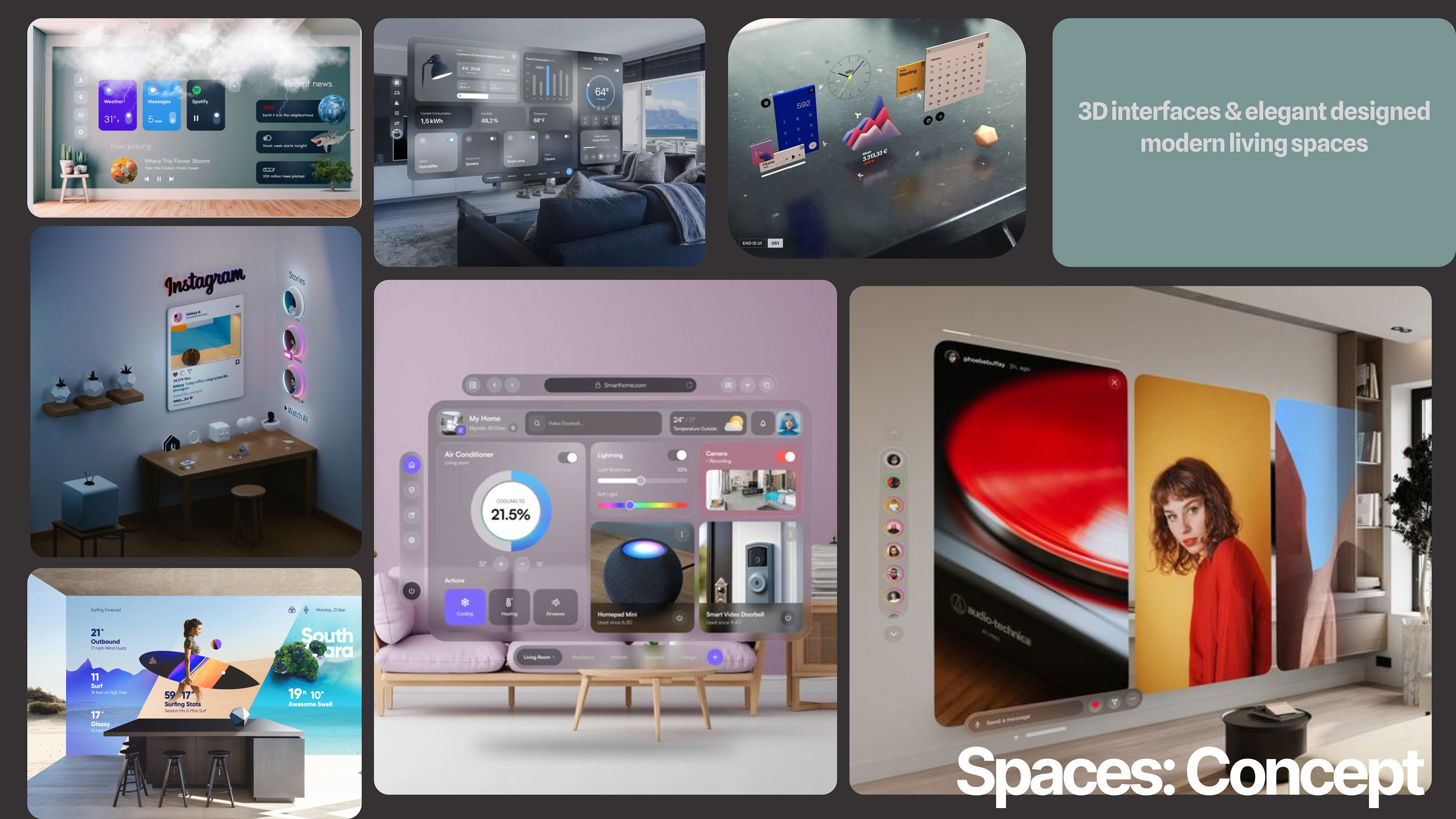
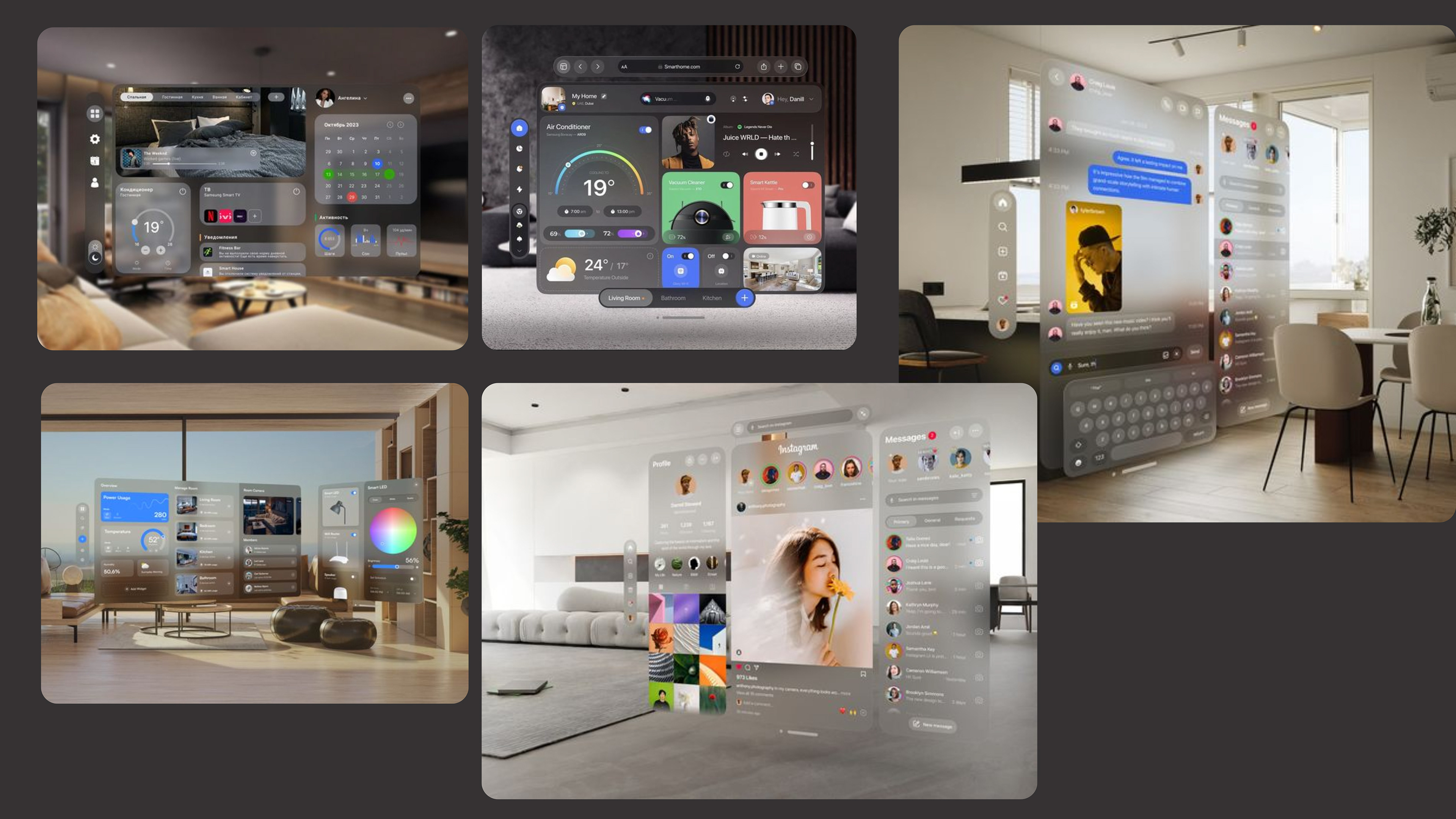
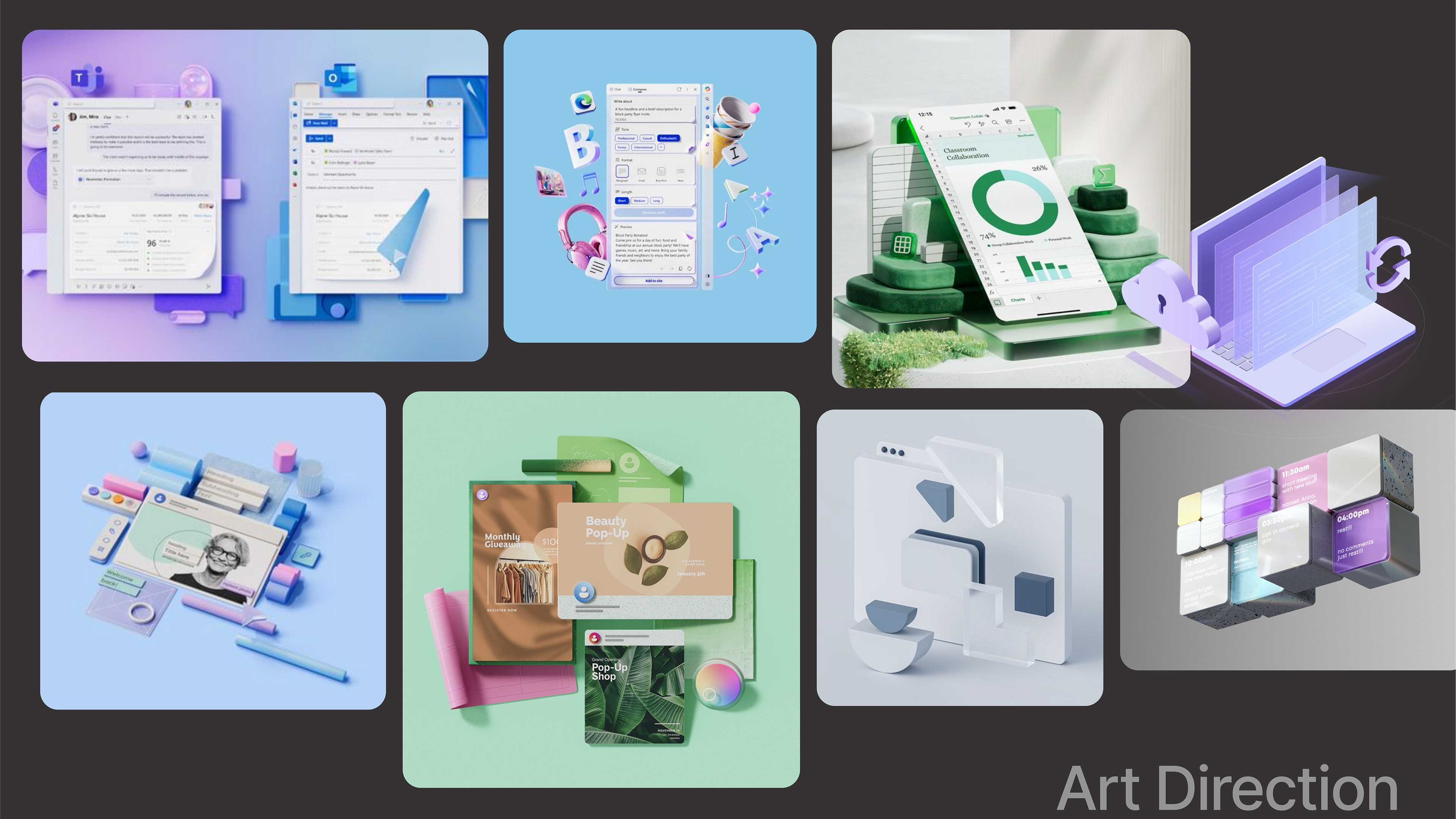
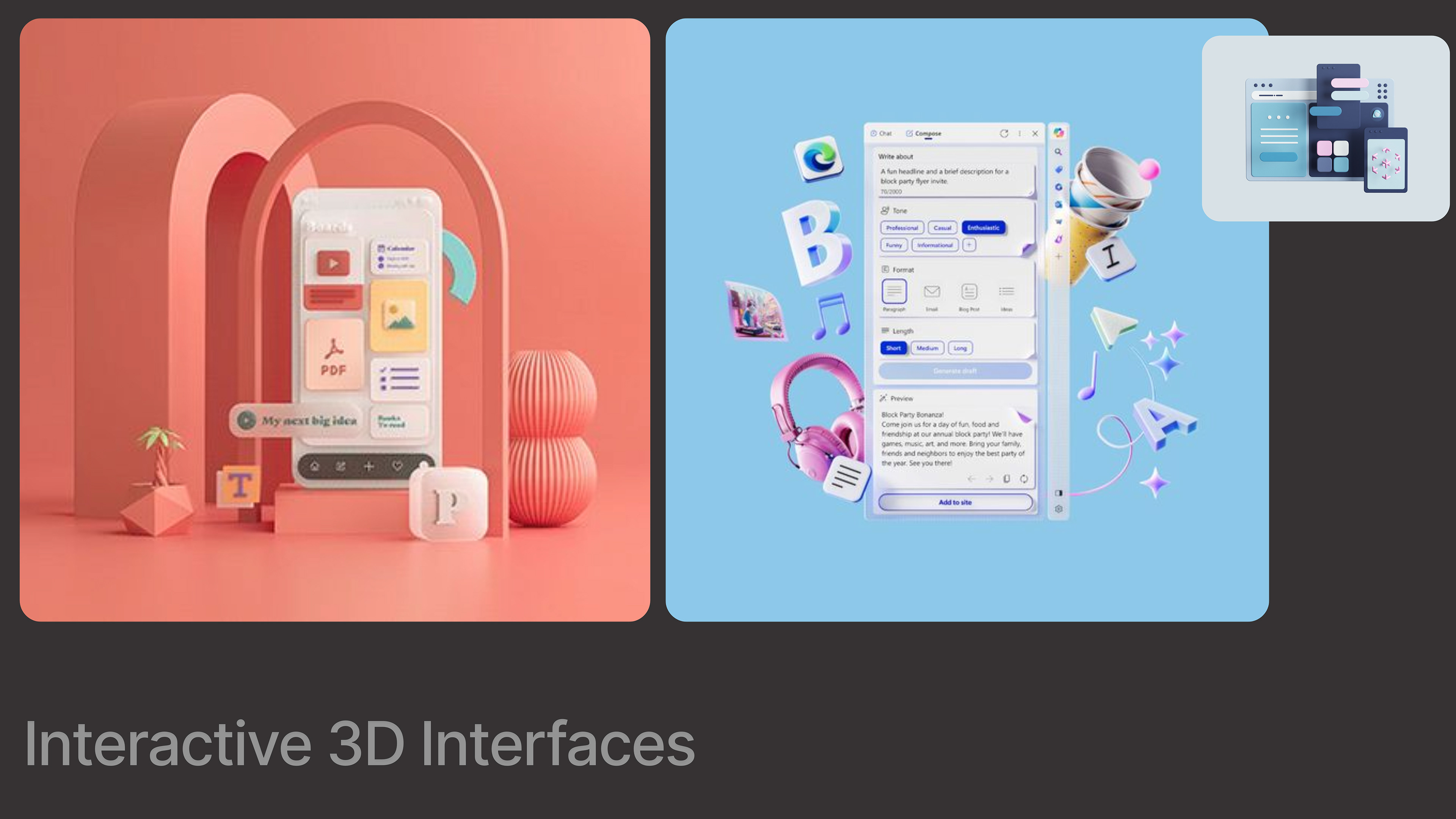
Action objects are an exciting part of our interactive 3D design system! They transform the familiar 2D social interfaces we know and love into dynamic 3D elements that truly inhabit our space. Users have complete freedom to position and showcase each Action object in a way that feels right to them. I’m thrilled to share examples that demonstrate my playful 3D approach, from initial asset creation onward. It’s all about enhancing creativity and engagement.
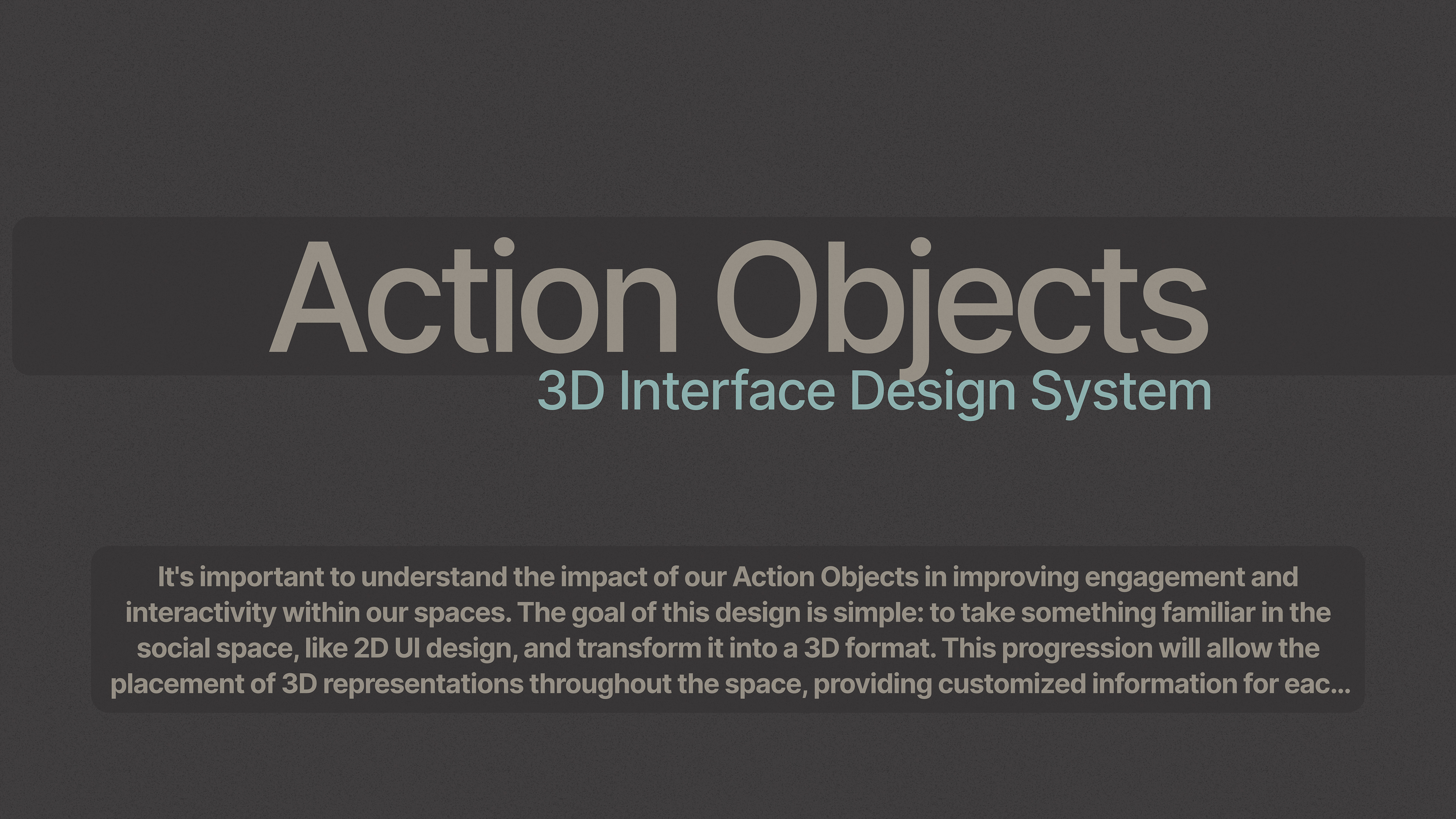
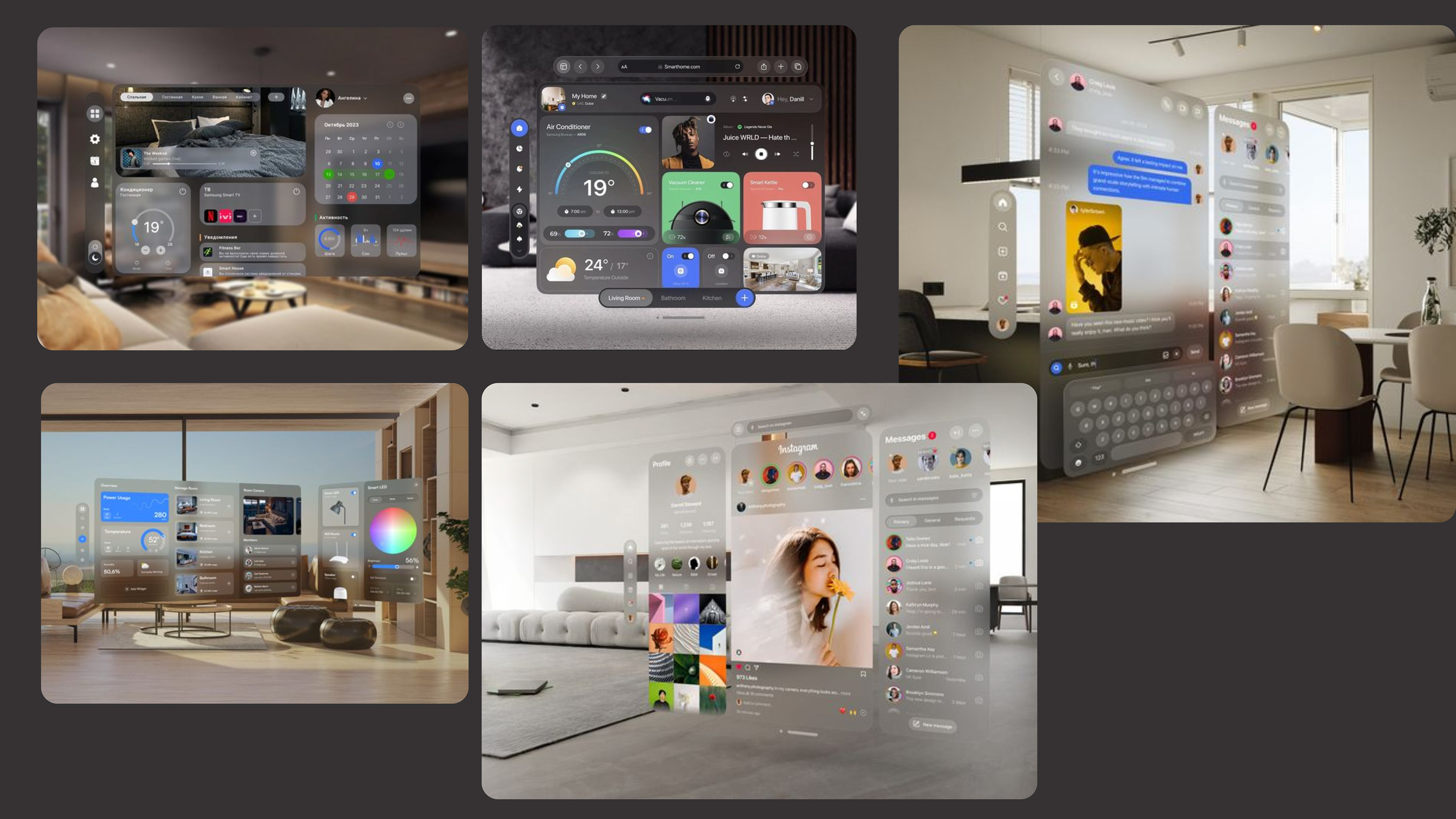
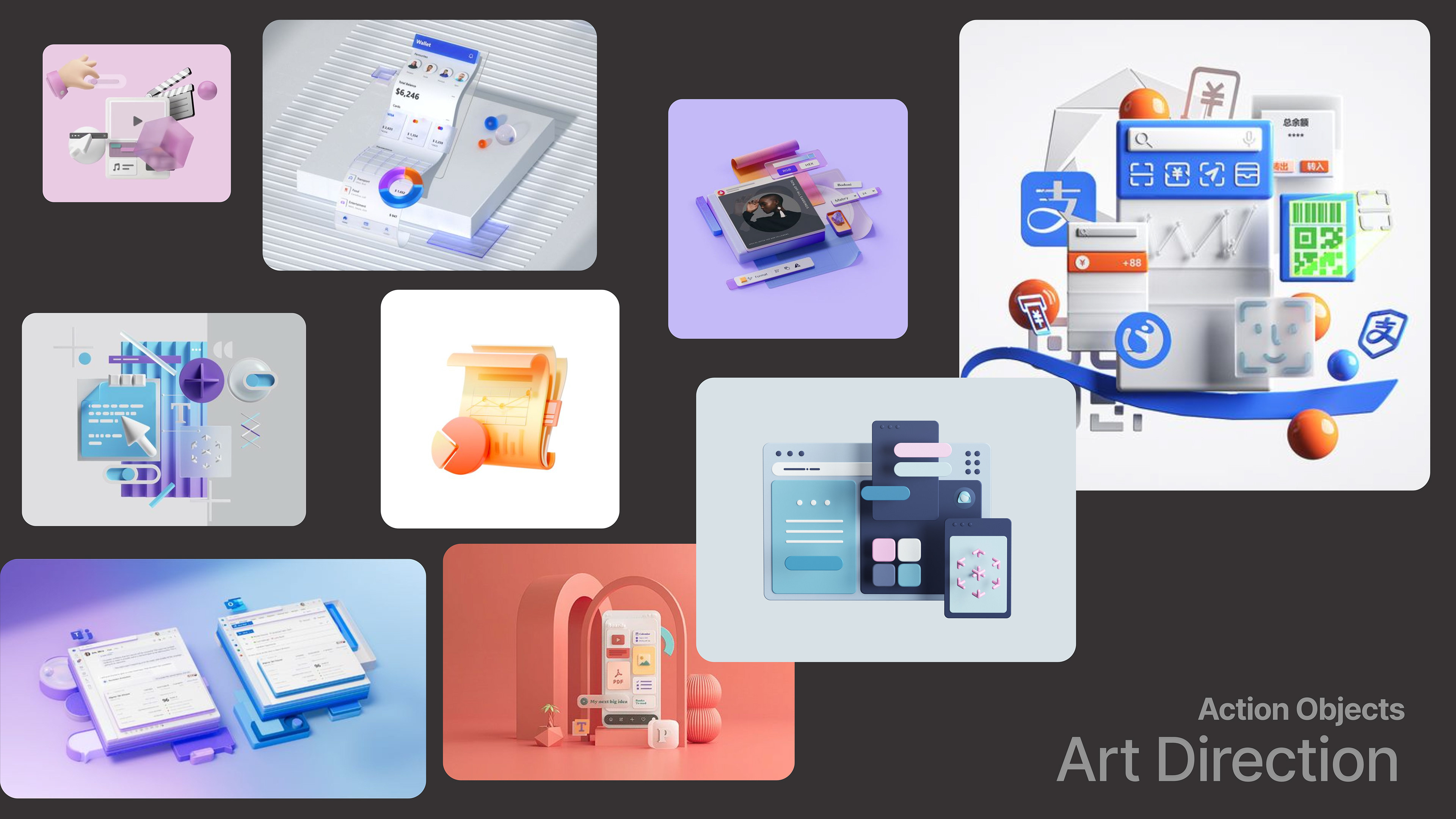
2D Interfaces Experienced Spatially In 3D
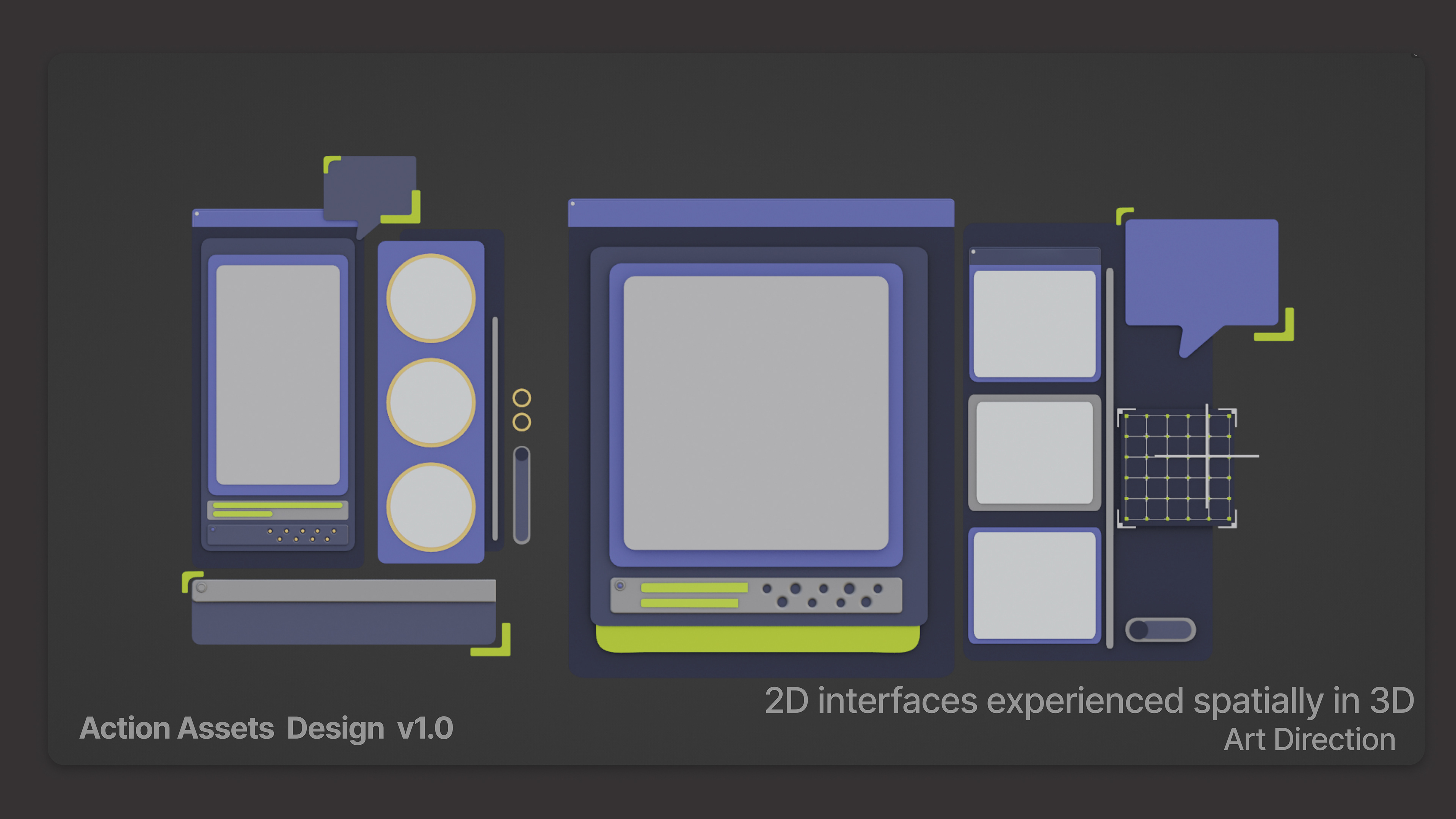
3D Concept for Action Objects
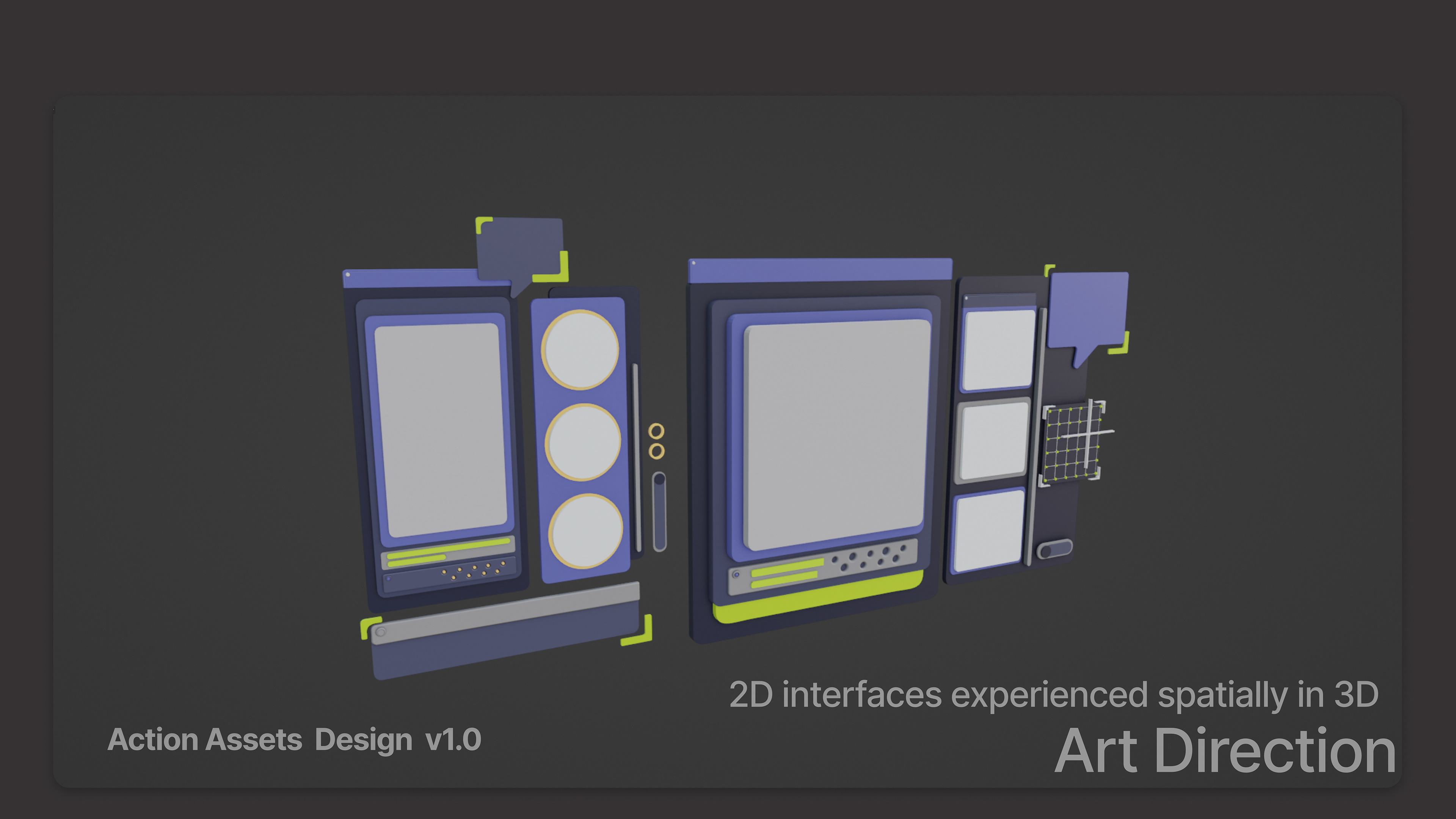
3D Concept for Our Action Object 3d interface
Early (alpha) selects for our Map widget design based off My intial widget design.
Concept Art Process: A Fusion of Tradition and Innovation:
I combine traditional modeling and texturing techniques with modern AI tools. This hybrid approach allows me to add depth and detail to my concepts. Using tools like Vizcom, I create stunning renders that capture my vision and elevate my art, pushing the boundaries of creativity!
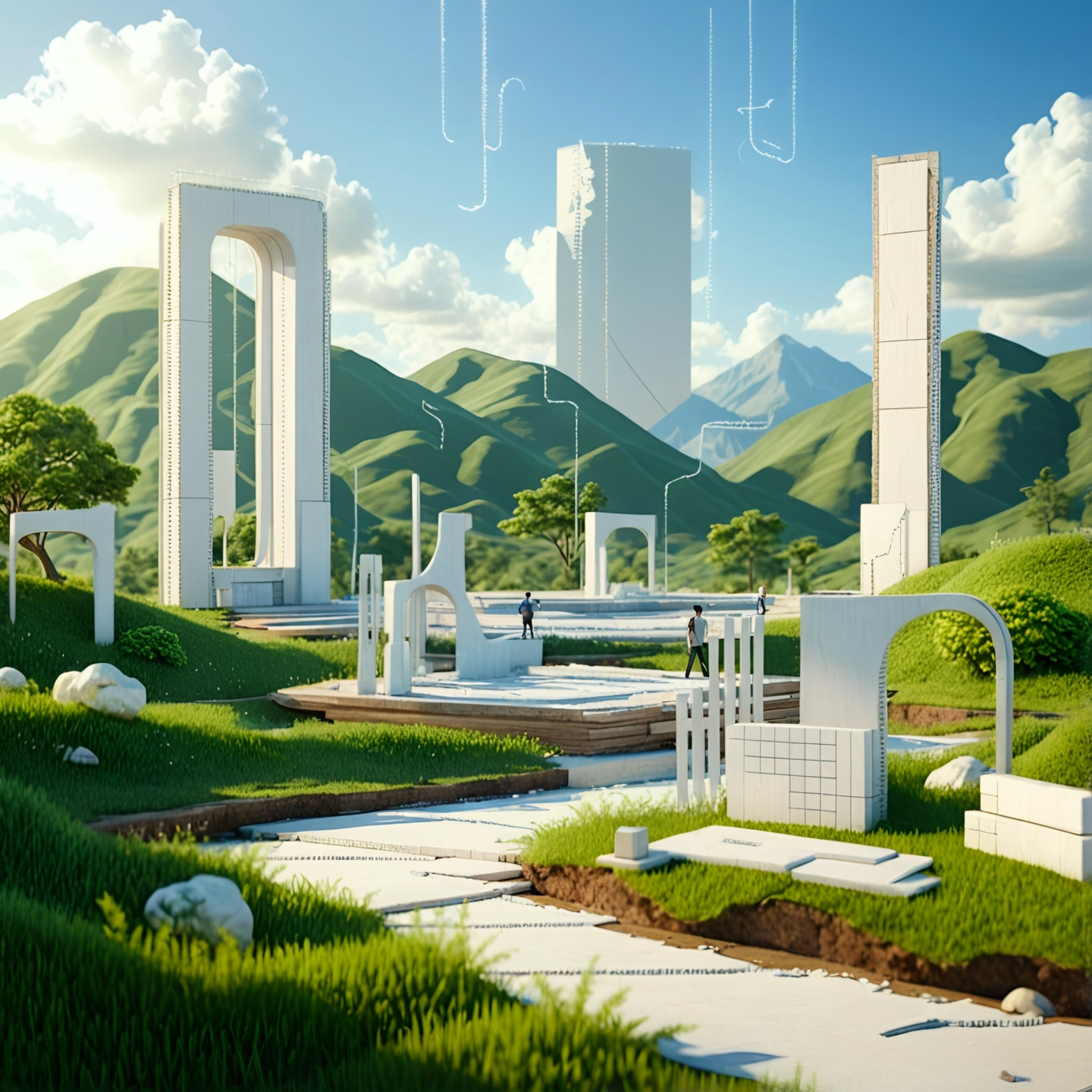
With Vizcom AI, I can easily bring in 3D models from my asset library and beautifully integrate them with Blender renders, enhancing my sketches and designs to create striking, cohesive images!
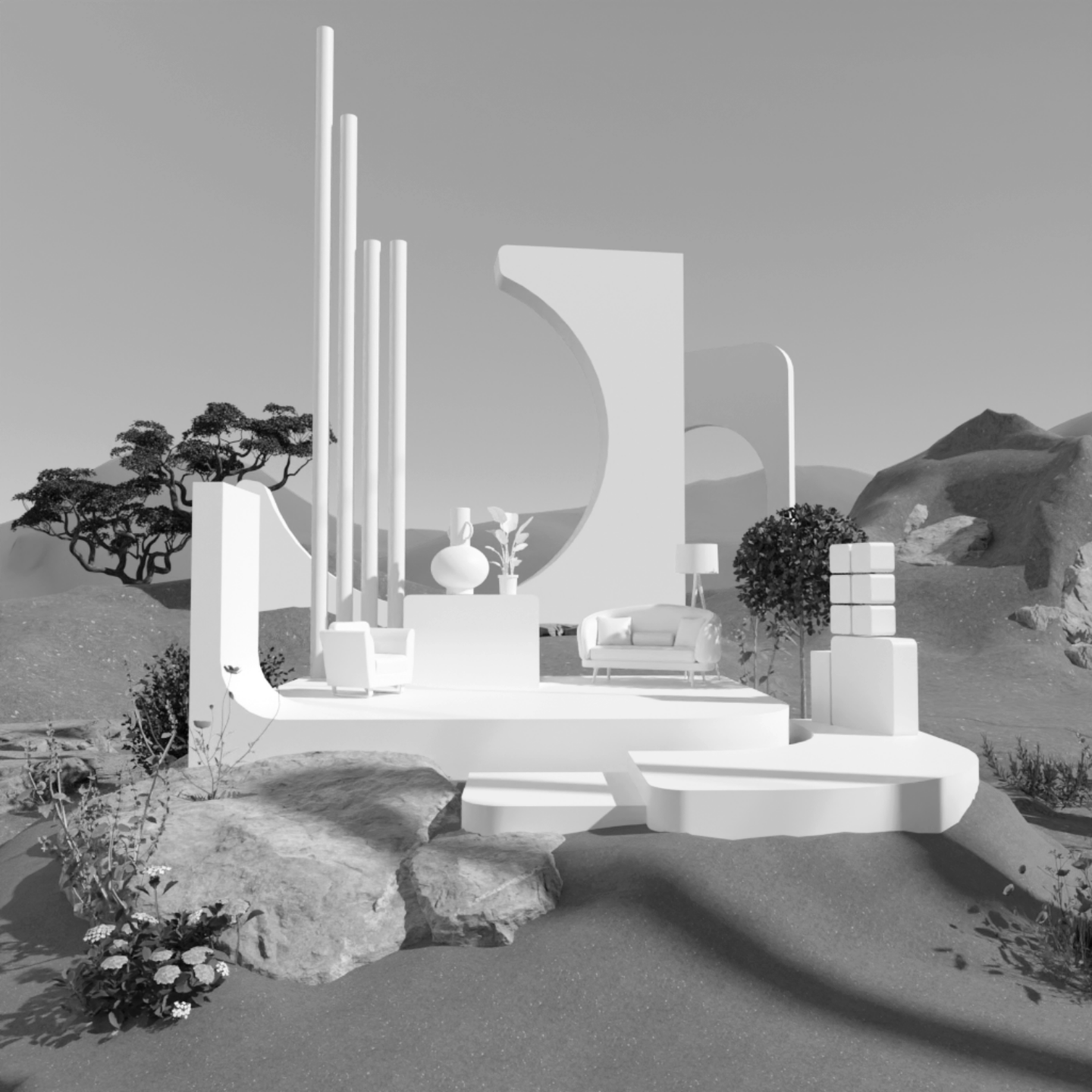
Greybox layout from blender used as base for visual development render for natural spaces template
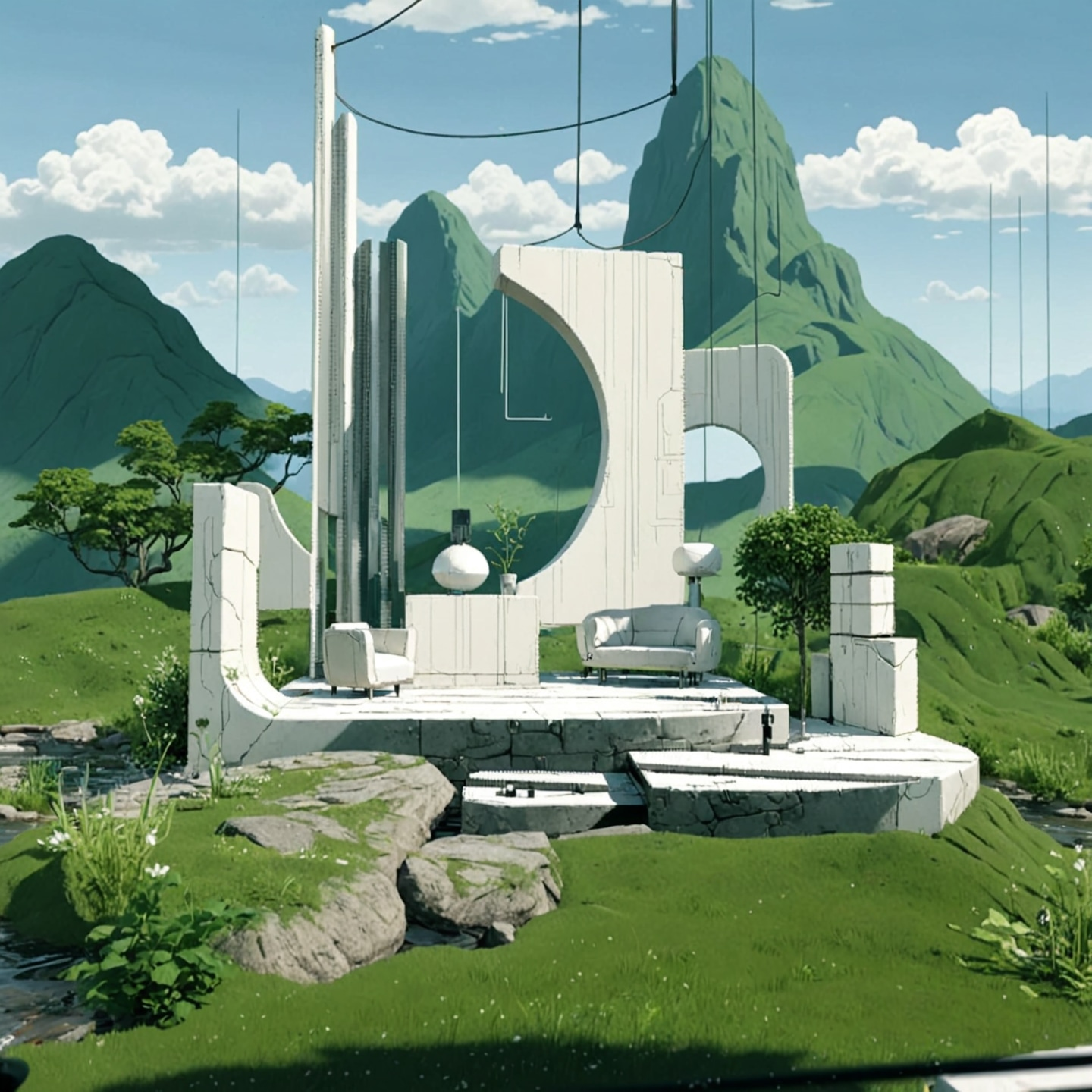
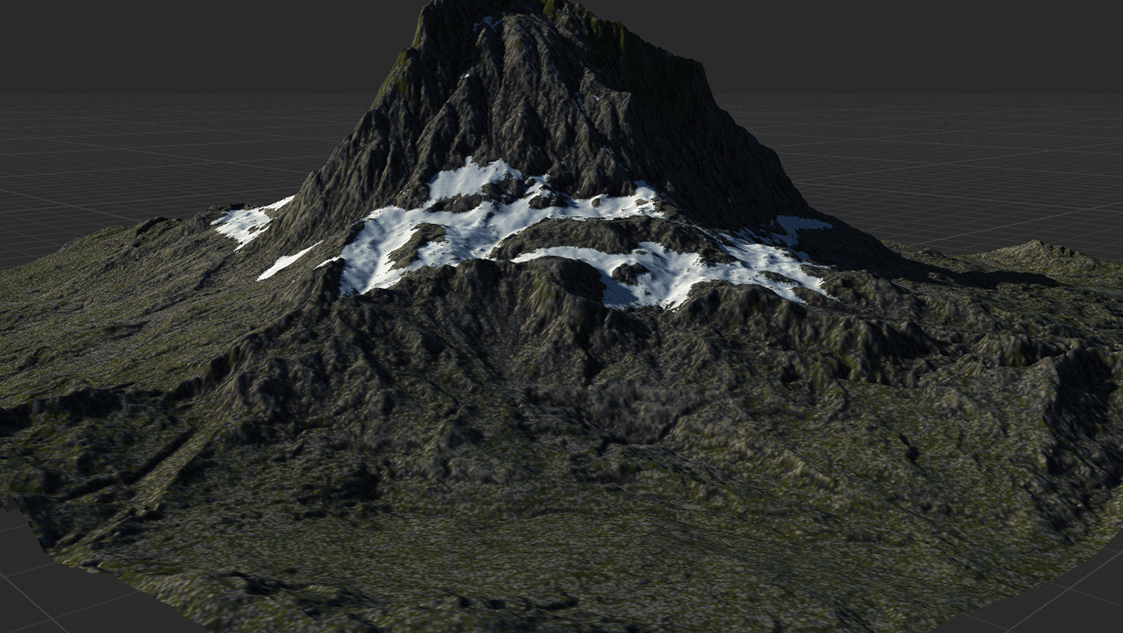
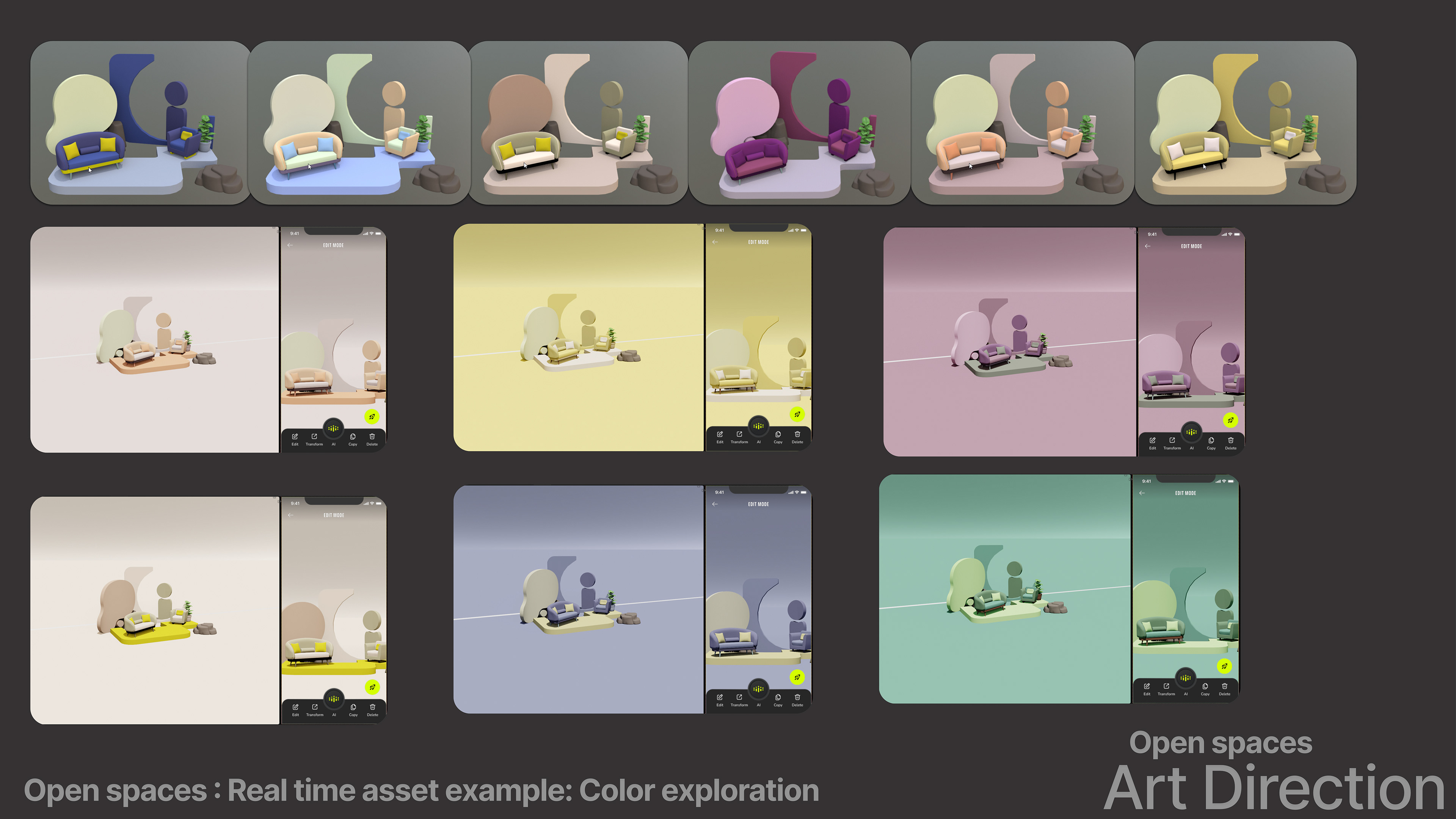
Environment Visual Development Terrian Monocromatic color Study render in vizcom
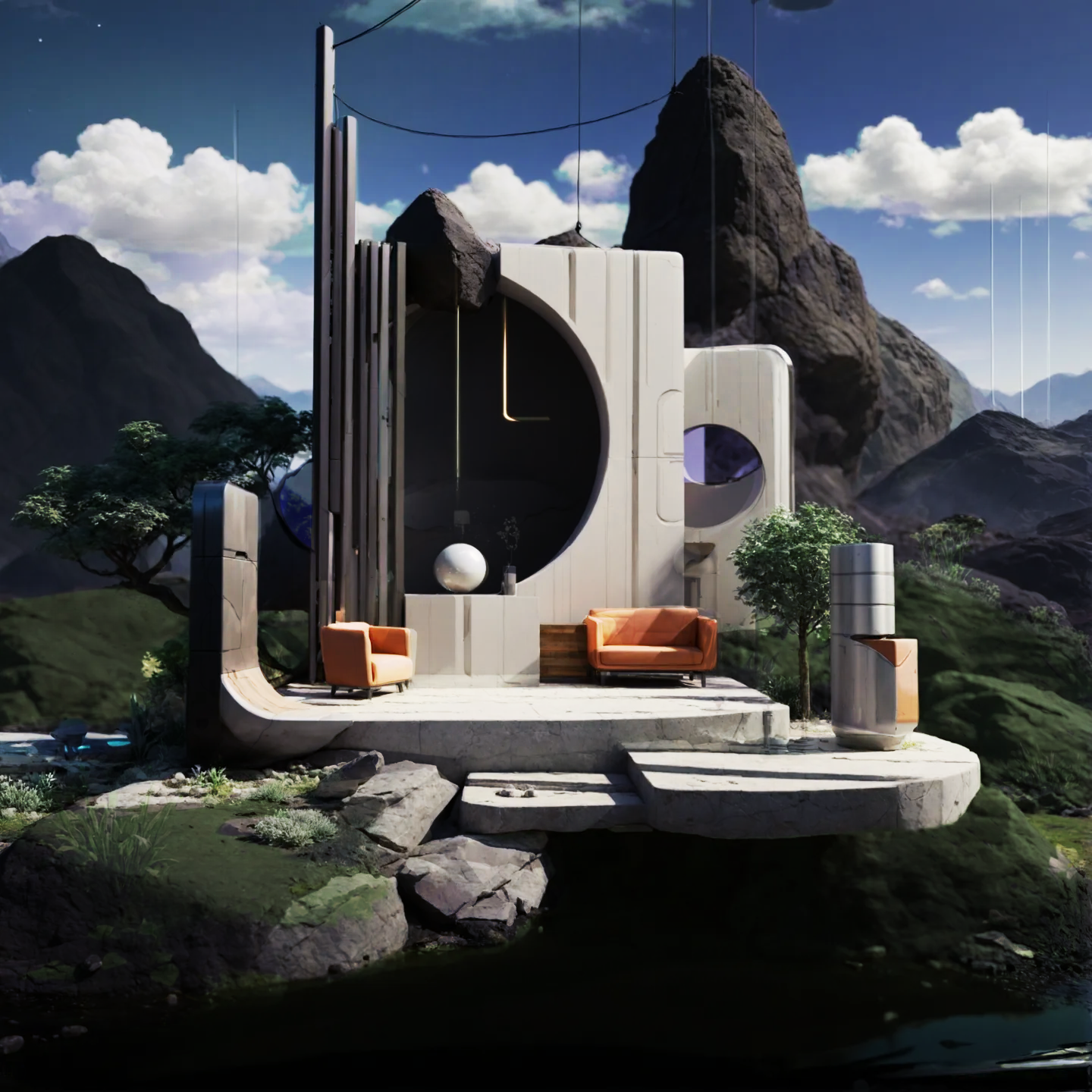
This color study vividly demonstrates the amazing possibilities for our natural spaces when we utilize an asset library like Megascans.
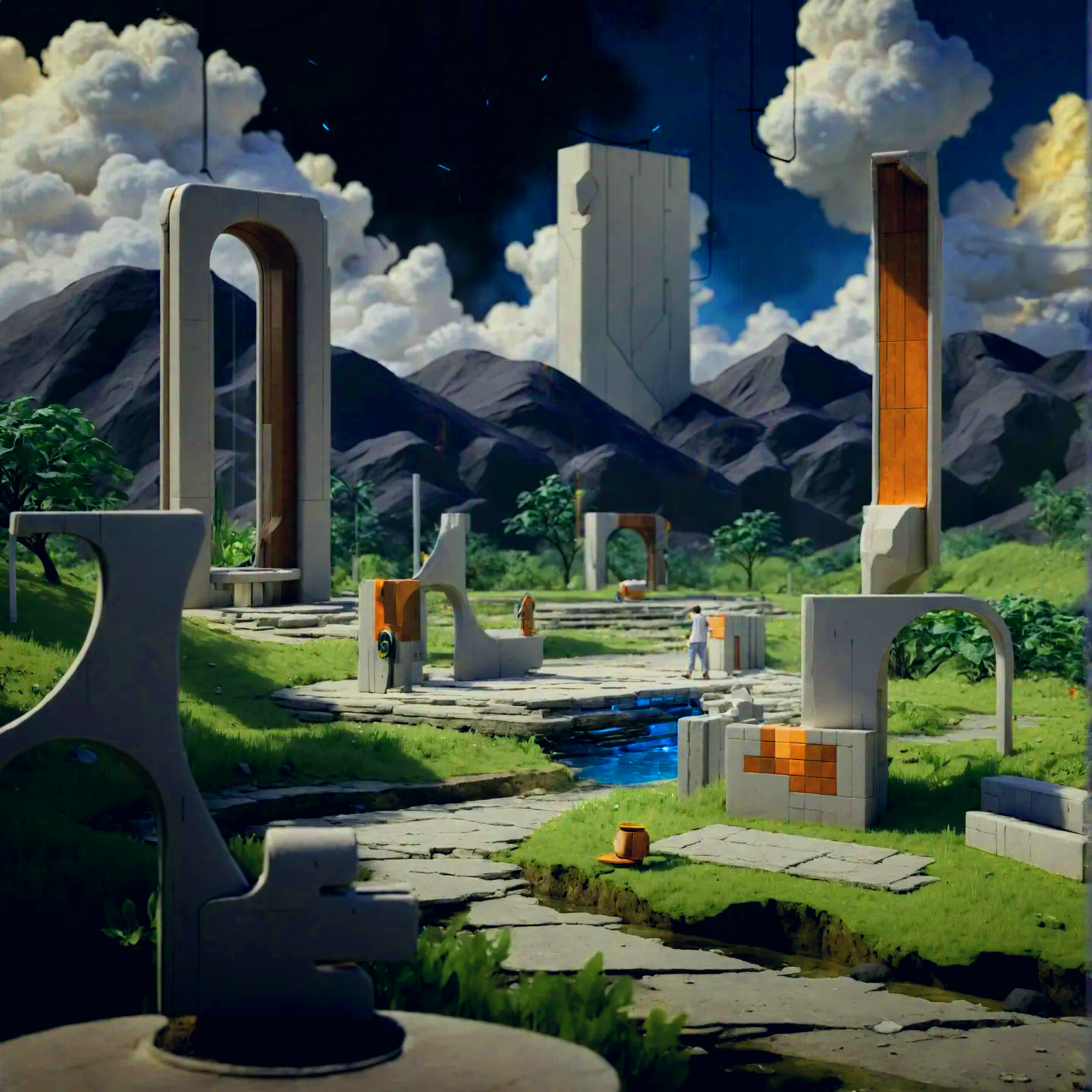
I was excited to explore vibrant pops of color in our Modular structures! This image represents my curiosity about using color as a wayfinding tool in our larger templates, showcasing a concept that beautifully merges natural spaces with innovative design.
For this project, we chose Blender as our Main DCC, and our talented tech art team crafted custom layouts and camera settings tailored to phone screen specifications. This approach allowed us to design our thematic set-piece assets in a way that truly captivates users as they scroll through the limited view. We also developed custom lighting rigs that laid the foundation for our look development as we transitioned into the Unity implementation stage.
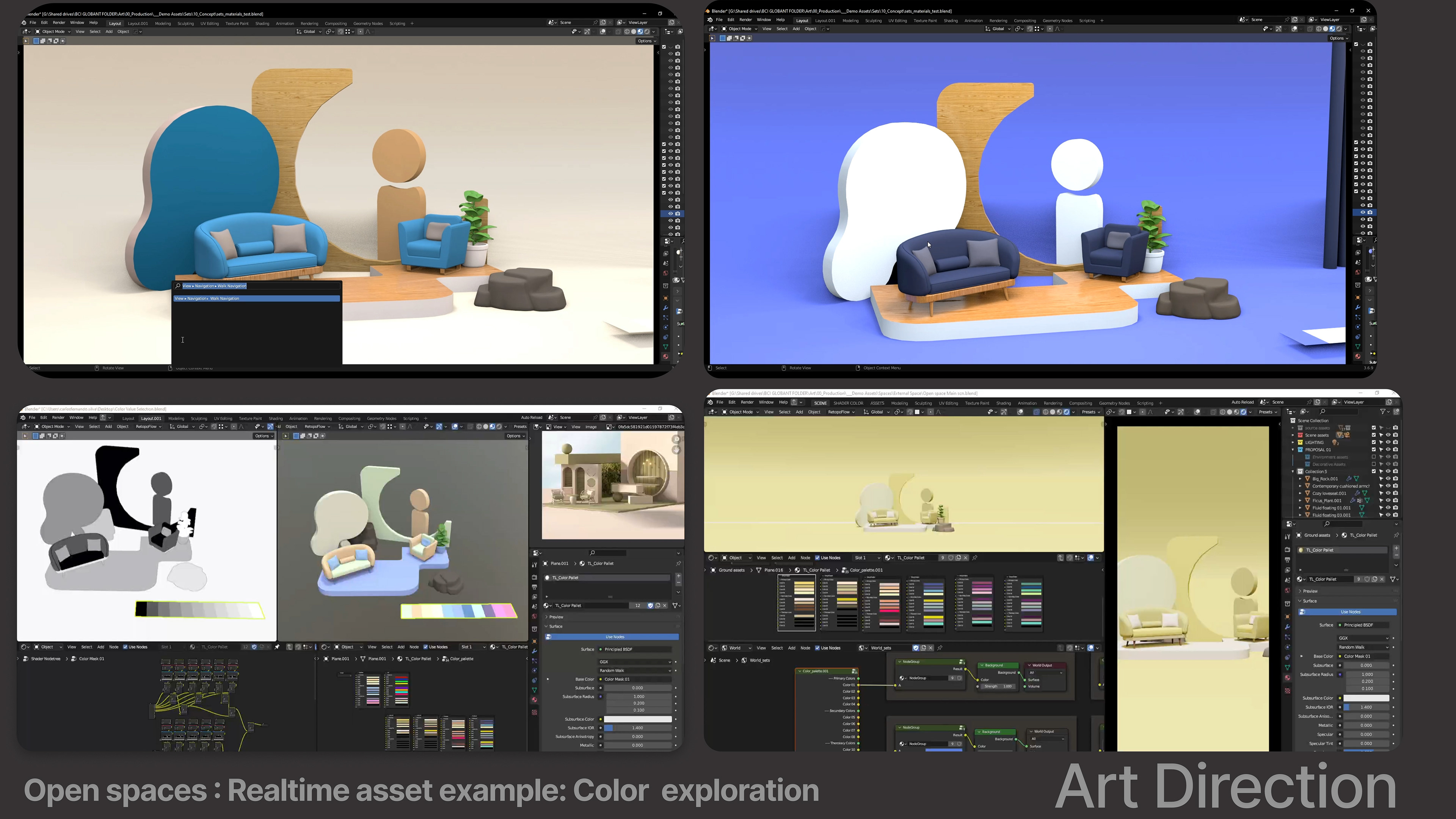
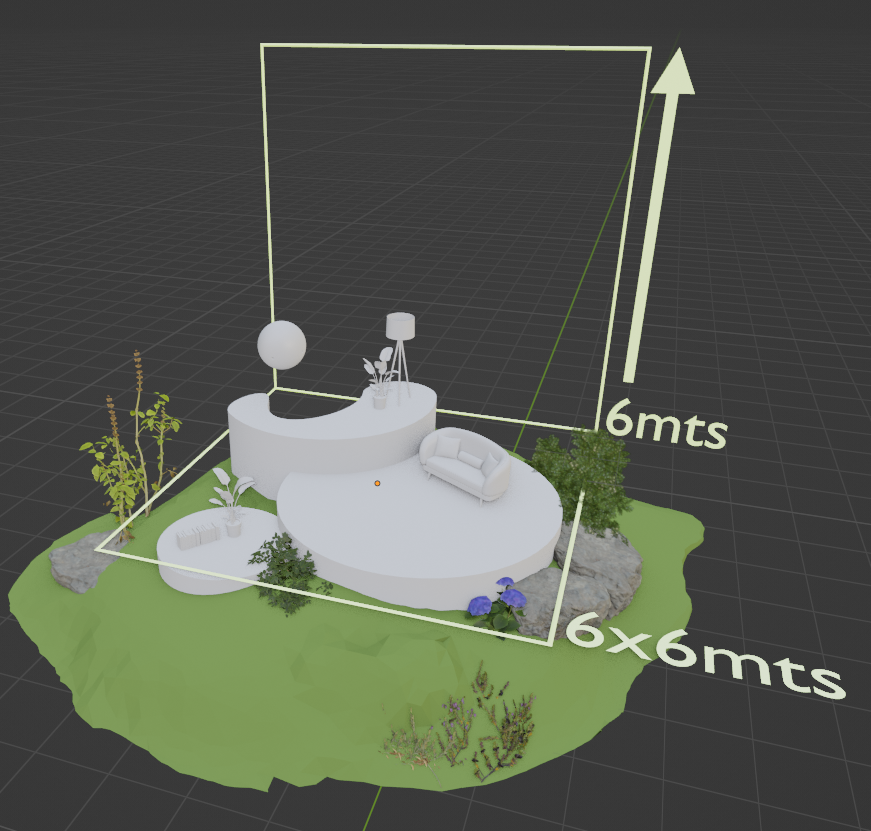
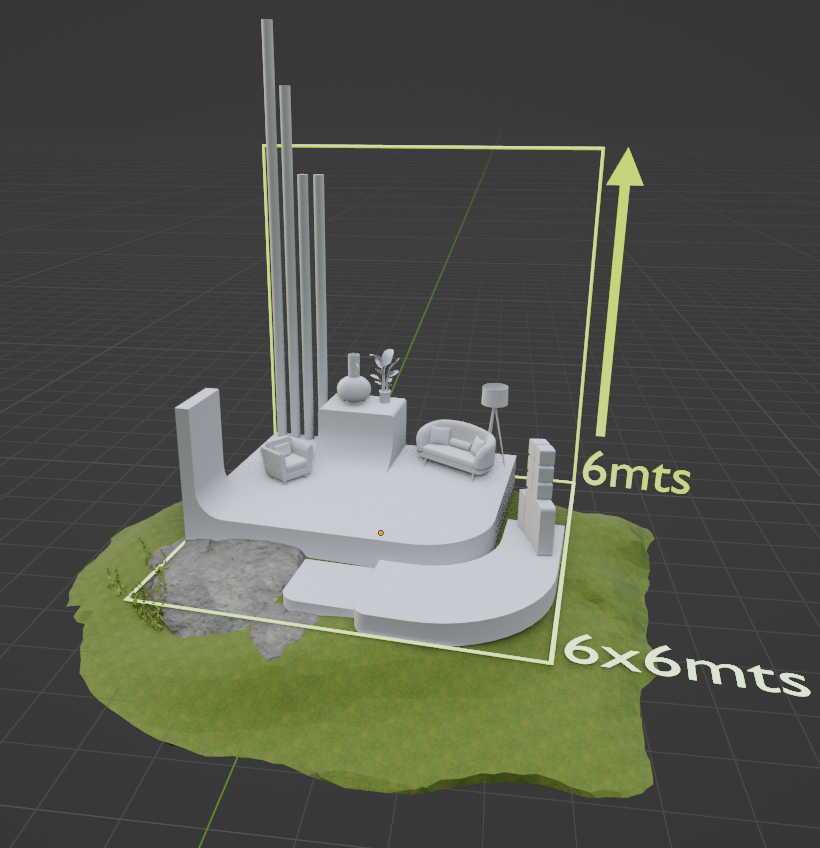
I’m excited to share an example of a Blender Viewport blockout that showcases my favorite type of space: our venue space template. This particular design holds a special place in my heart as it ties directly to my experience in the experiential industry. Collaborating with our concept design department, I decided to use Nike as our test case.
Nike truly excels in the experiential realm, uniquely engaging its audience on both grand and intimate scales! Our mission was to demonstrate how brands can craft distinct spaces that resonate with their users through our app and network. By creating an area on the Equs X platform where users could connect their spaces to our vision of Nike HQ, we showcased the incredible potential for brand content within our app.
Block out example of my favorite space, Out Venue Space Design Template
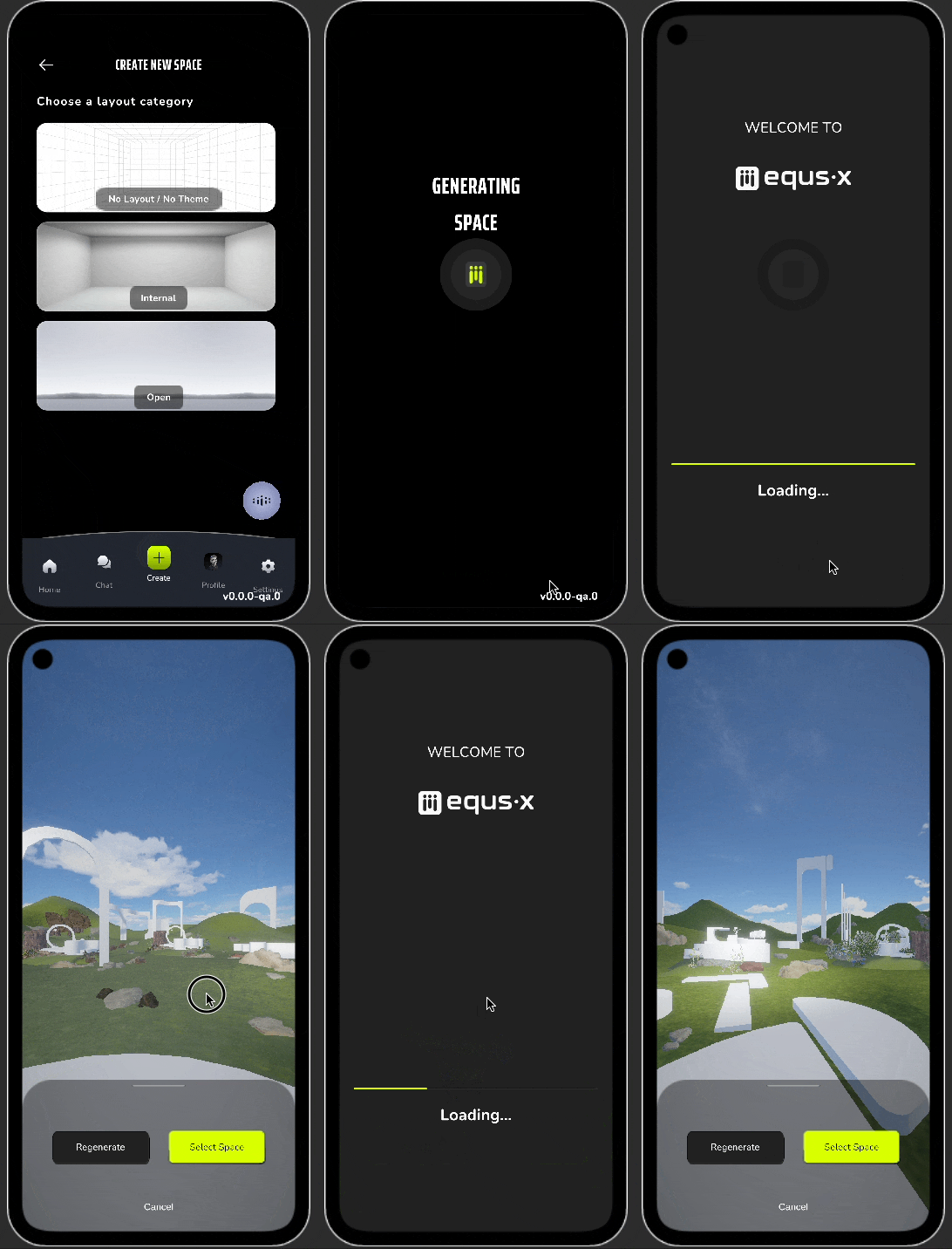
Here’s a glimpse of the app experience at its alpha stage!
Check out the various UI options and navigation features of our space templates and themes
Natural spaces
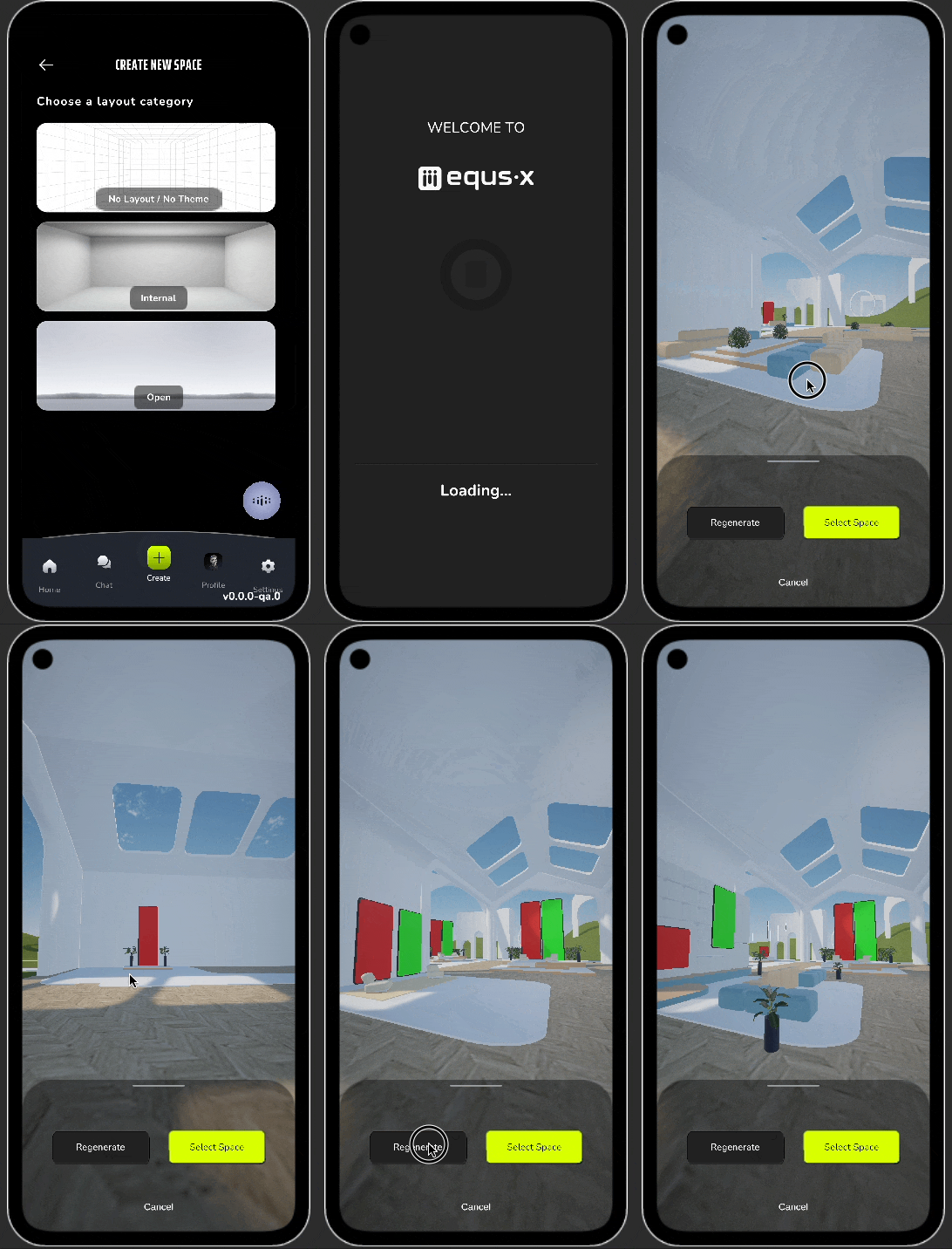
venue spaces
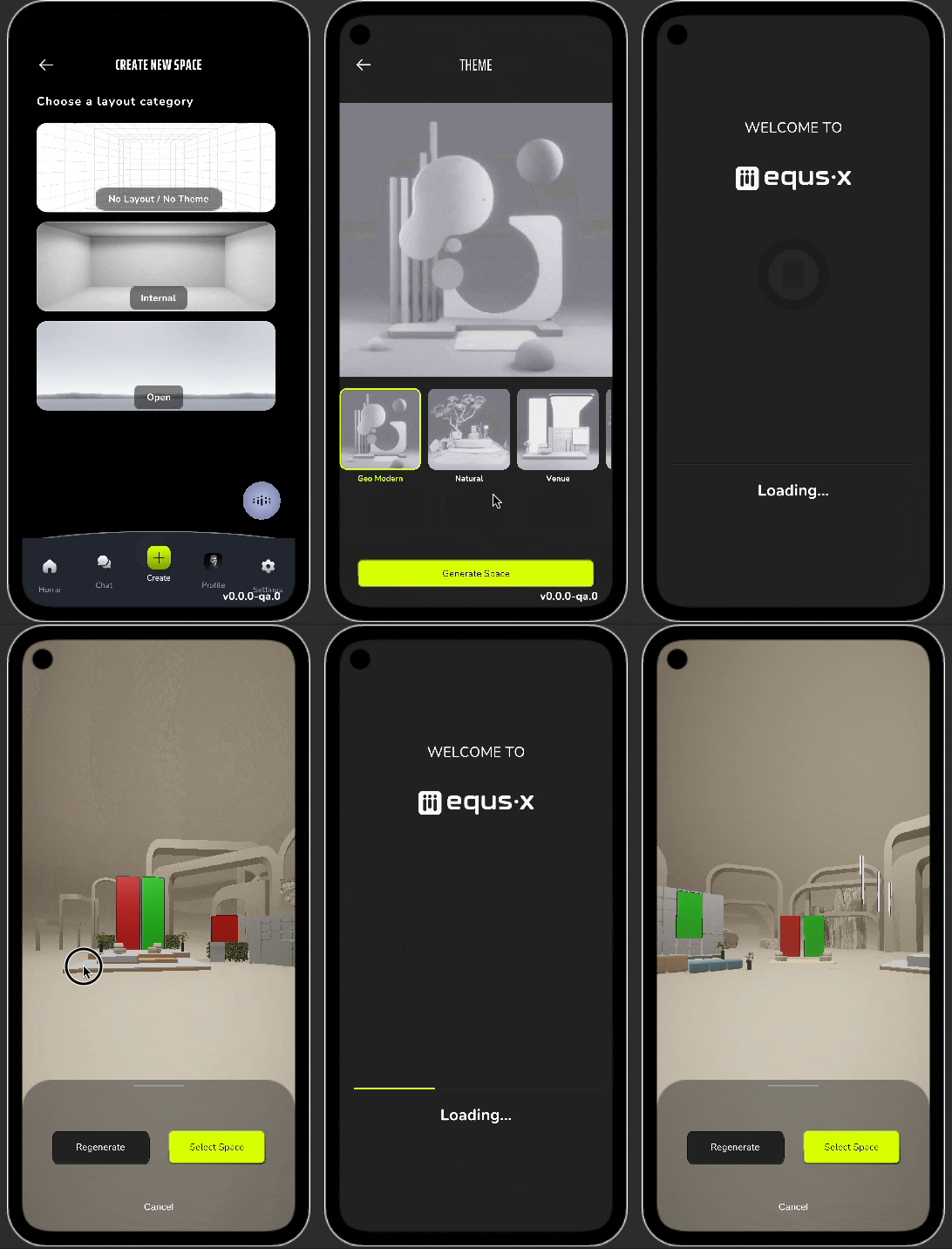
studio spaces
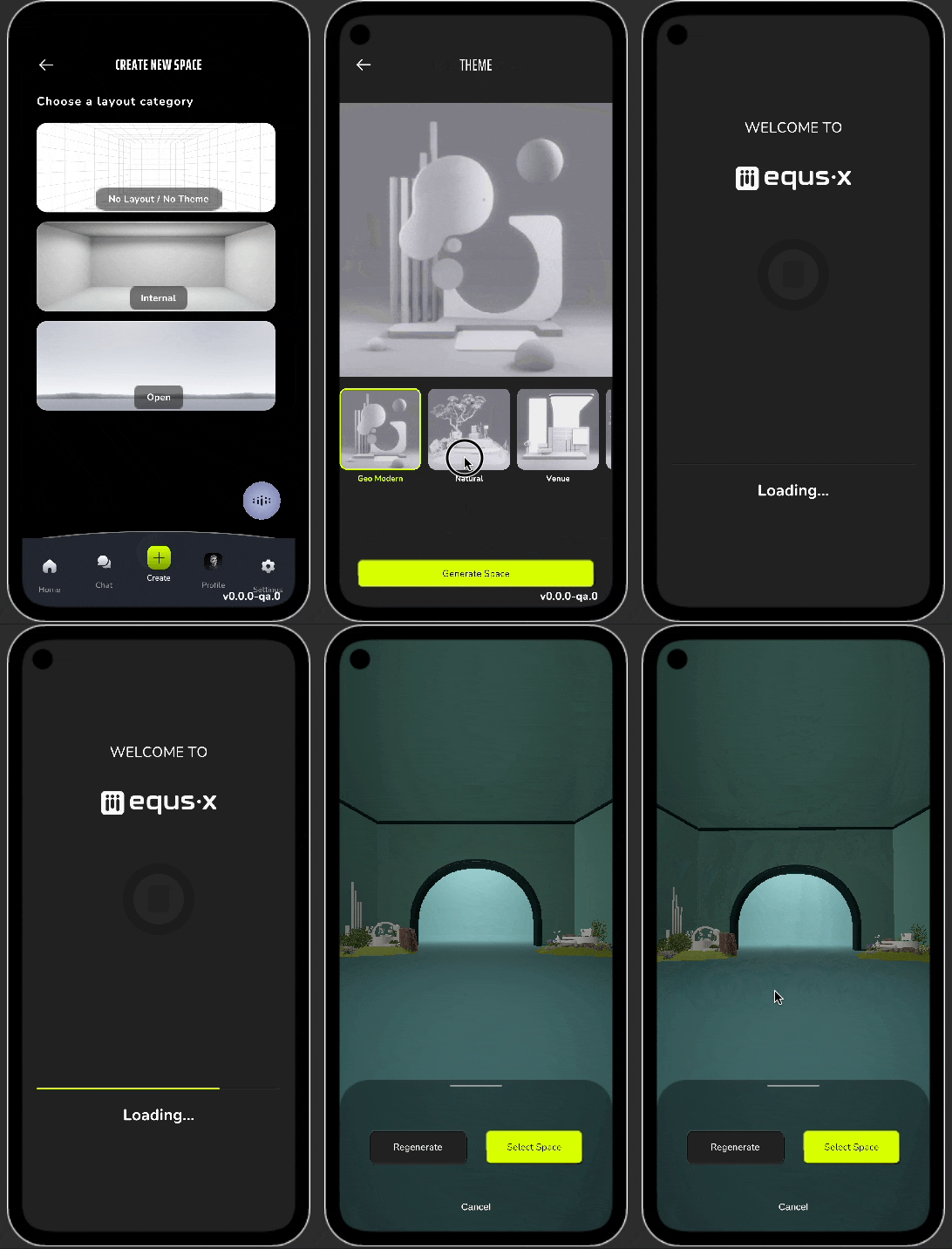
Hexagon: interior space
Elevating Creative Vision: The Art of Technical Direction and Production effciency
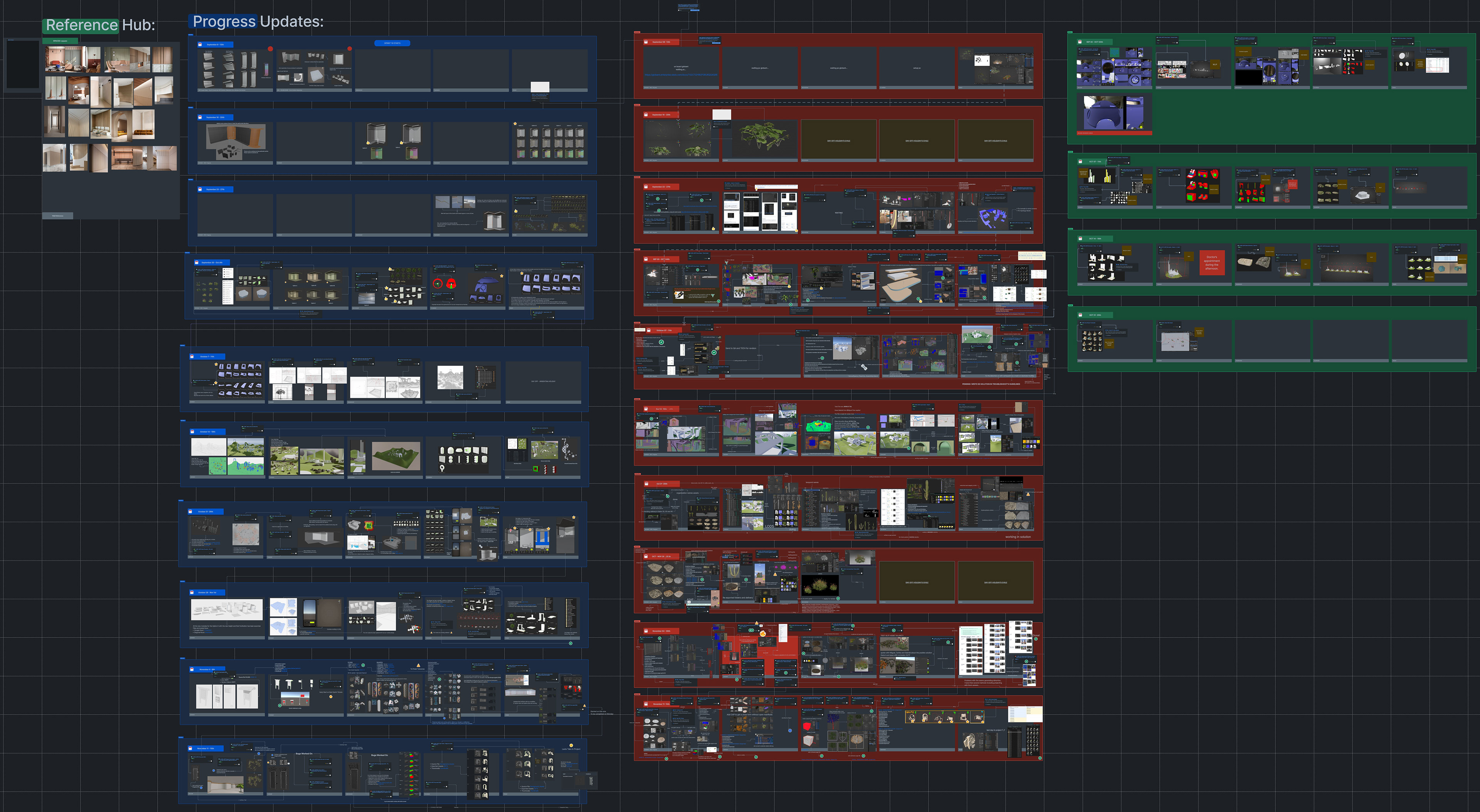
To boost my team's productivity and efficiency, I adapted the “Dailes” workflow from film production to fit our app development needs! I created a dynamic, daily visual report system that encourages real-time interaction. This fantastic tool allows us to share daily updates, making it seamless to navigate between 3D, technical art, and concept art. With this approach, we empower each member of my team and extended members through timely feedback, ensuring everyone receives the support they need to thrive. Together, we're not just working, we're growing, collaborating, and achieving our goals every day!
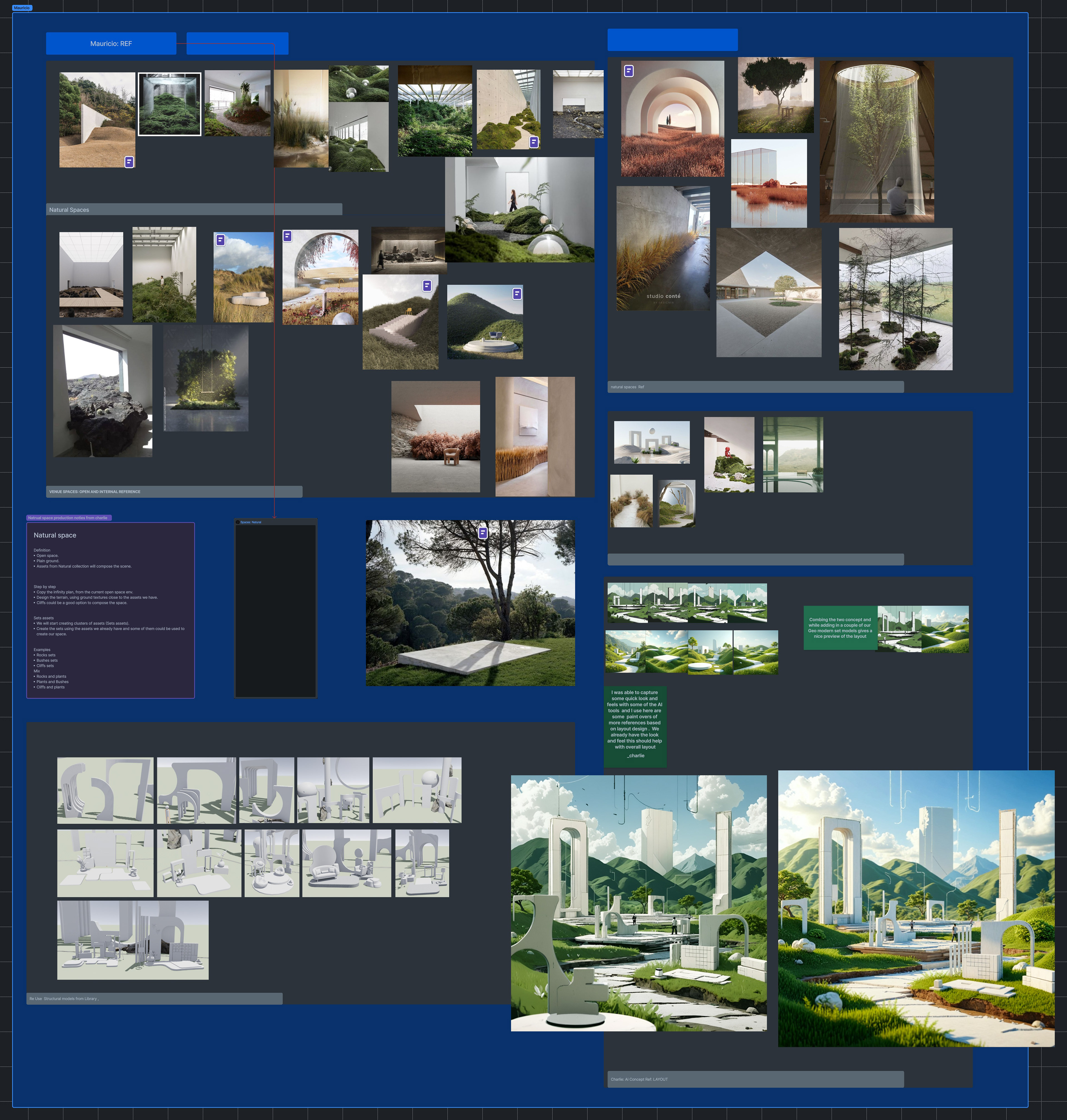
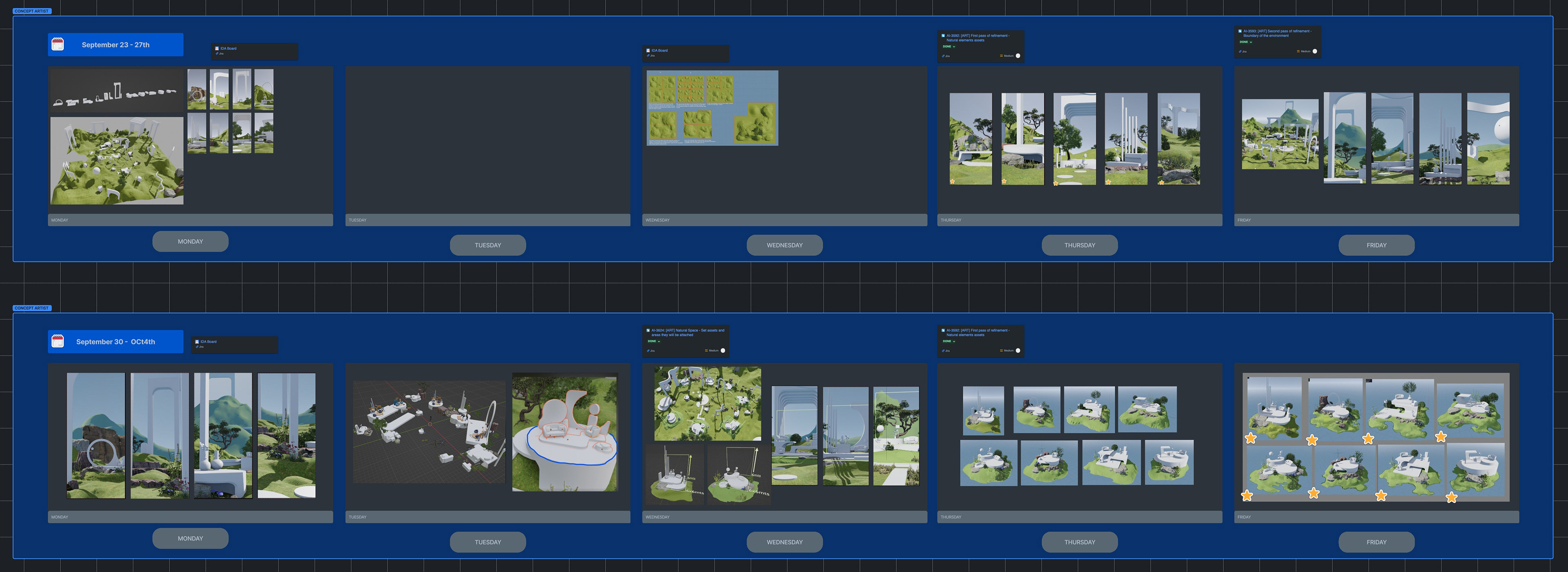
Using Confluence's Figma-like whiteboarding tools, we not only stay organized but also create a living document that reflects our creative journey. This collaborative and transparent setup fosters a positive team environment and keeps us motivated as we work together toward our goals!
Each board is thoughtfully designed with sections for essential reference materials and the main concept art relevant to each artist’s section. This centralization means artists, producers, and Technical Artists can effortlessly access the latest versions of what’s currently in progress, relevant documentation, and production locations for assets. I also make it a point to give constructive feedback on each post, notifying the respective artist, designer, or programmer of any changes. This was really a great way to keep the team acessible to me not just during our daily standups and meeting but really through out the day and week.