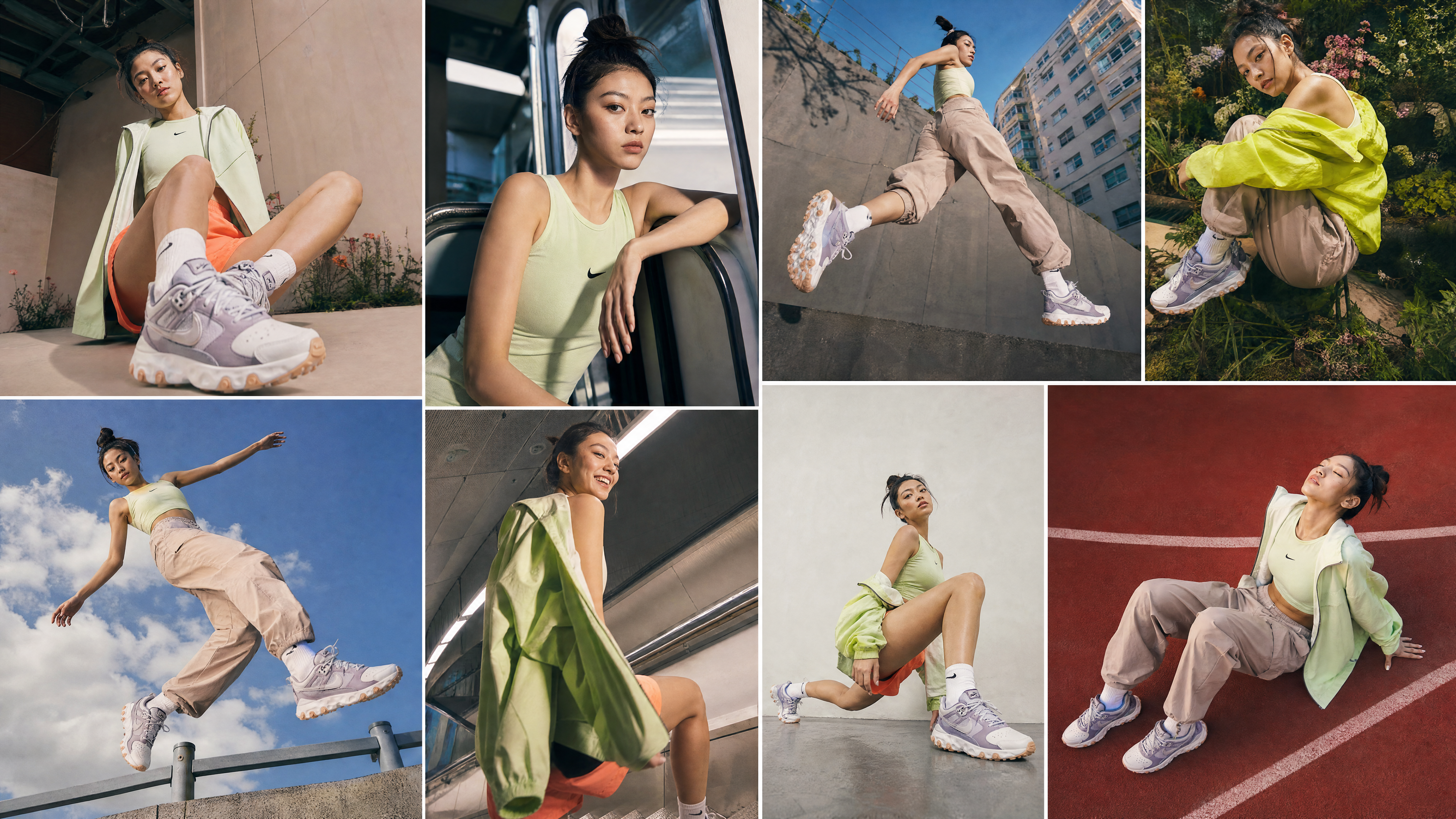
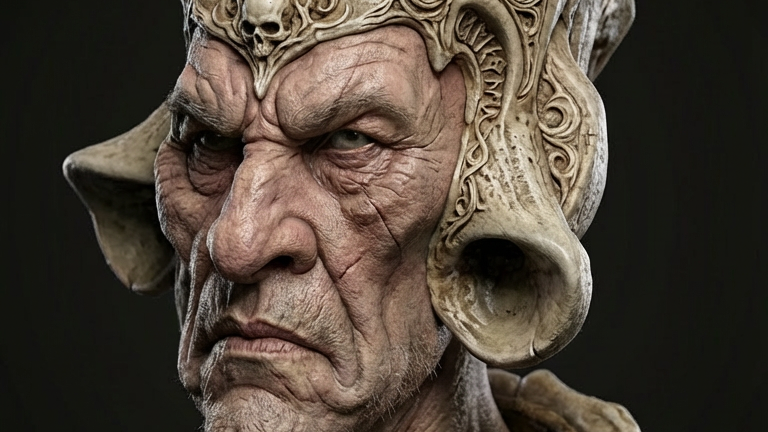
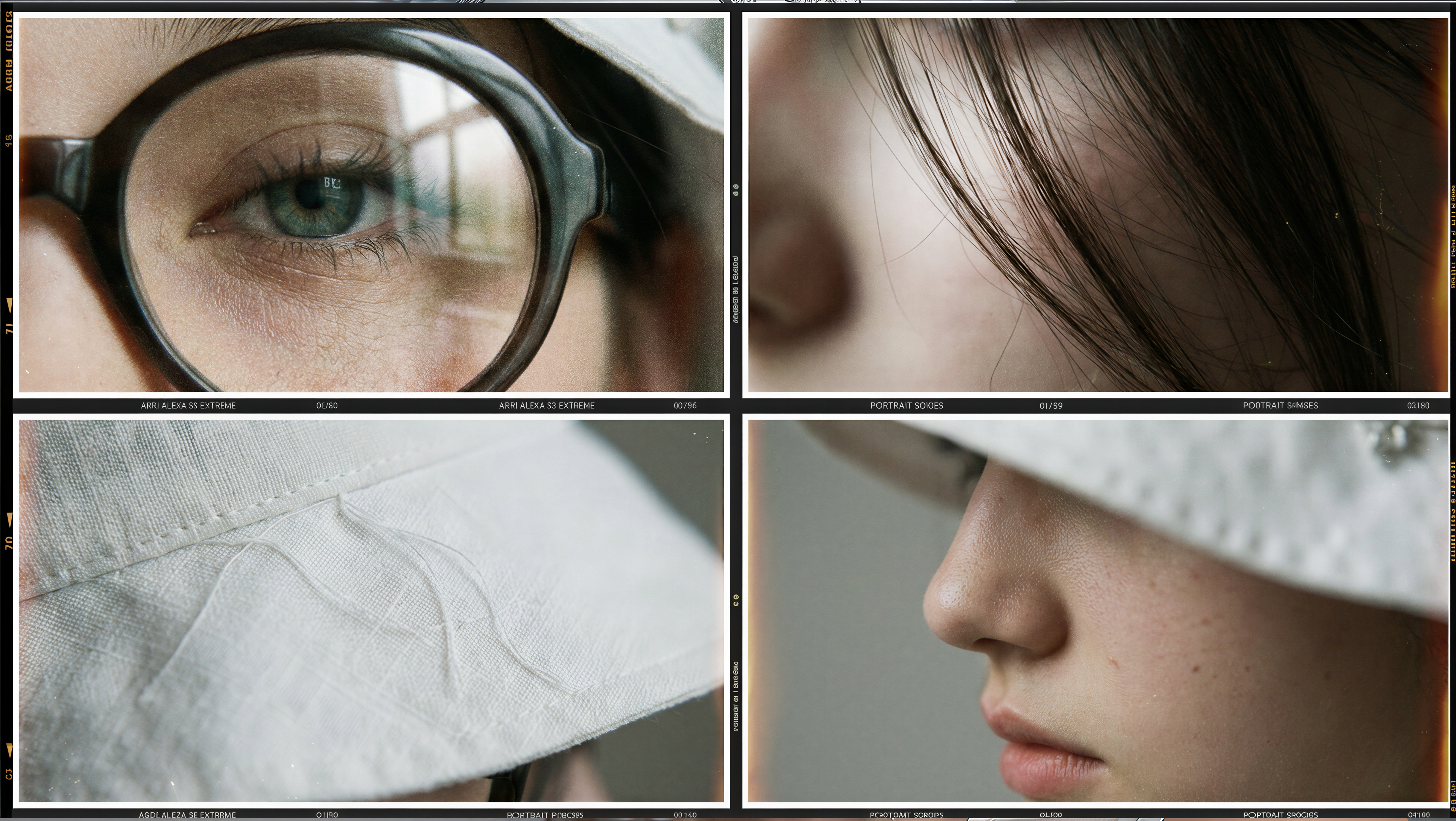
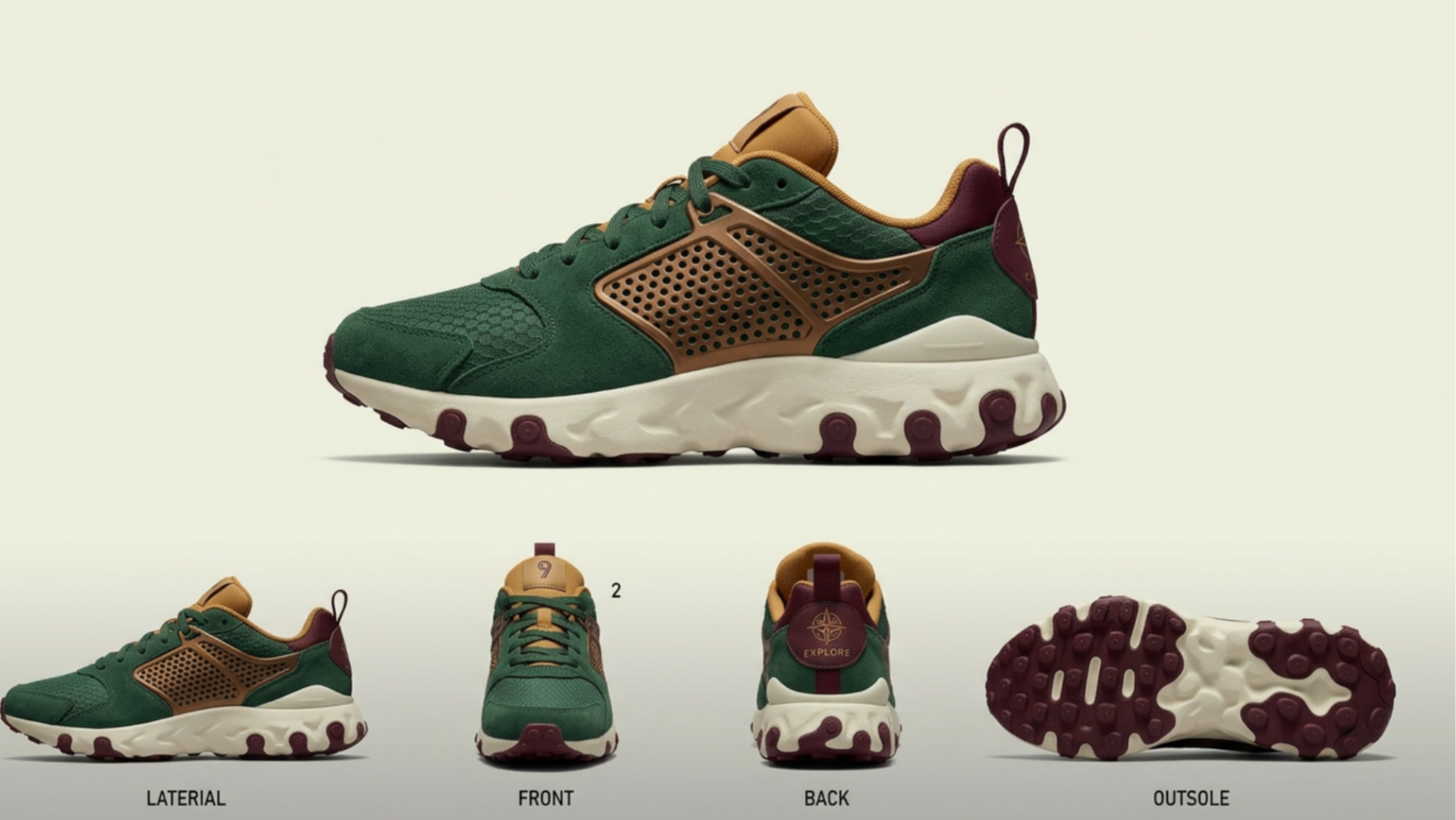
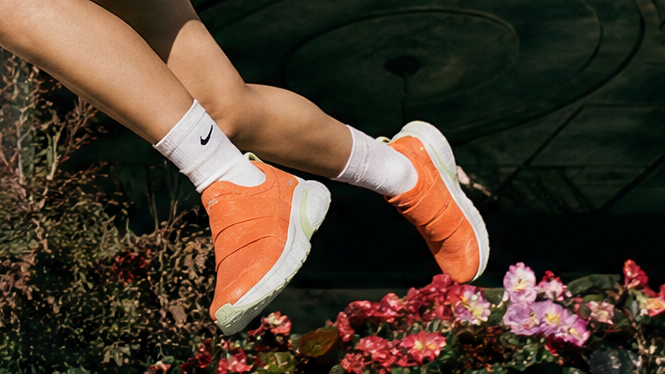
This study explores how AI-assisted product design can move from sketch to campaign language. The footwear concepts began as custom running shoe explorations developed in Vizcom, using sketch-based inputs, layout thinking, and iterative product design. From there, the work expanded into a larger identity and campaign system through Weavy, where references, art direction, and visual language were organized into a more complete brand world.
Product Concept
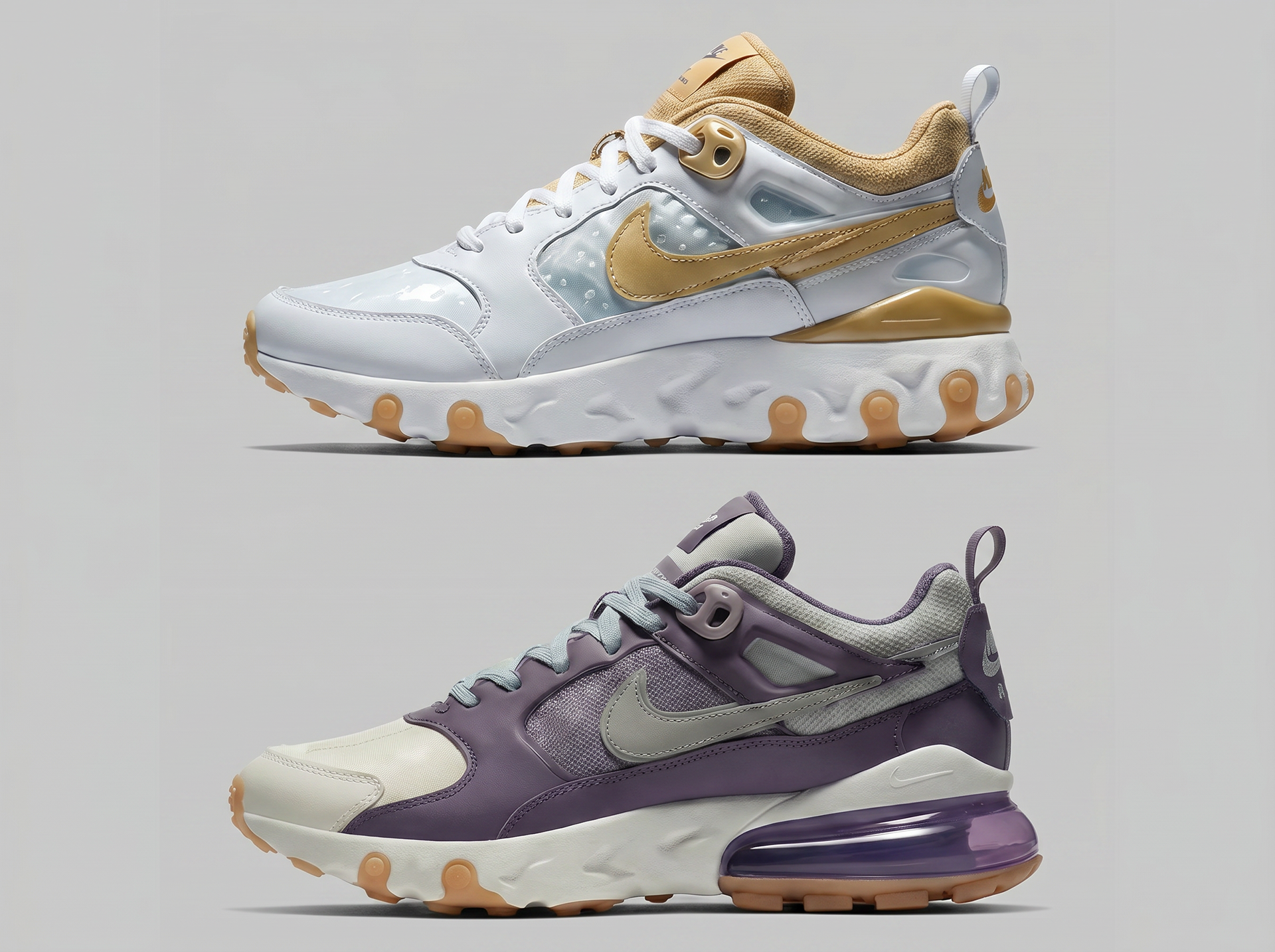
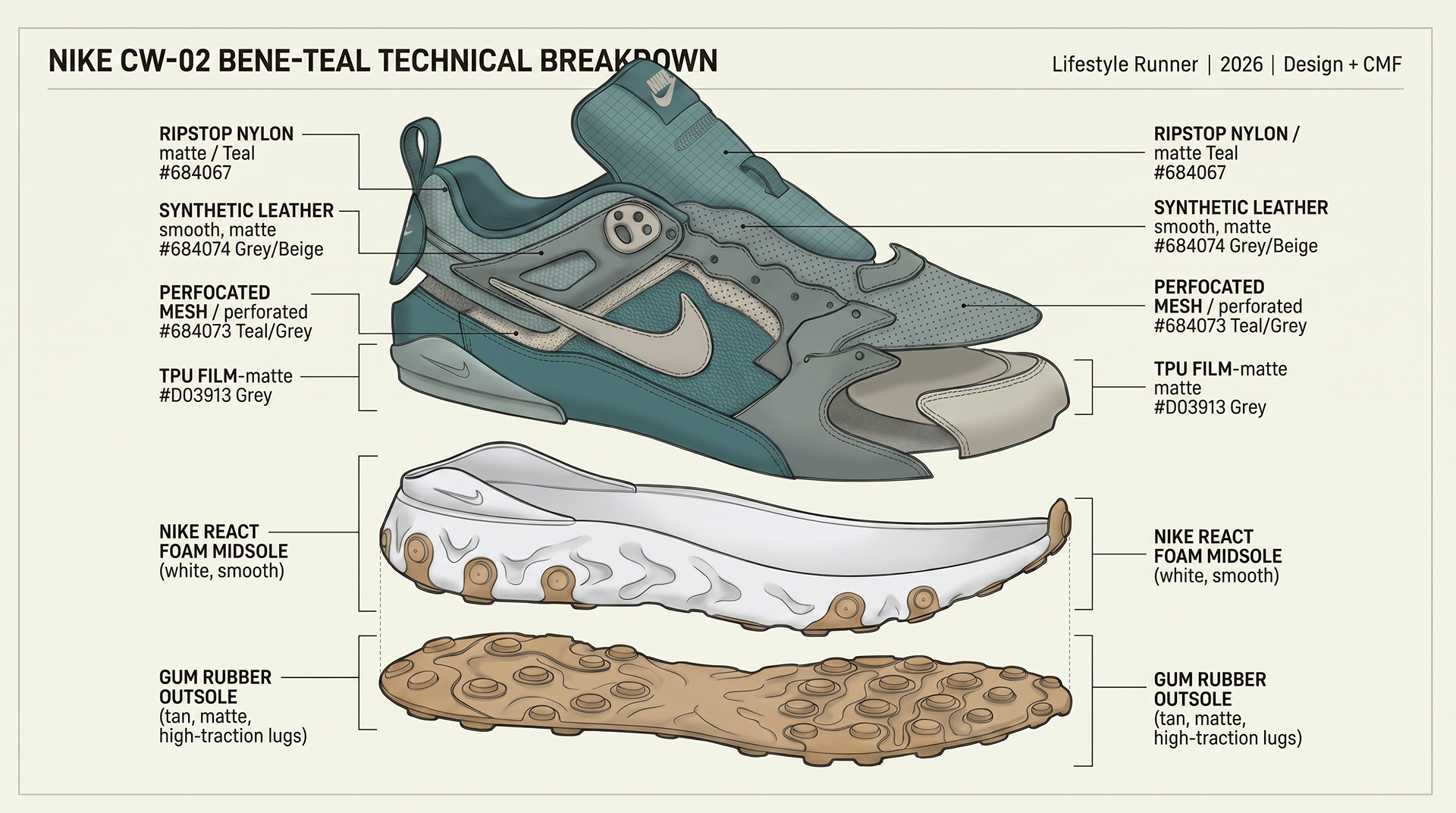
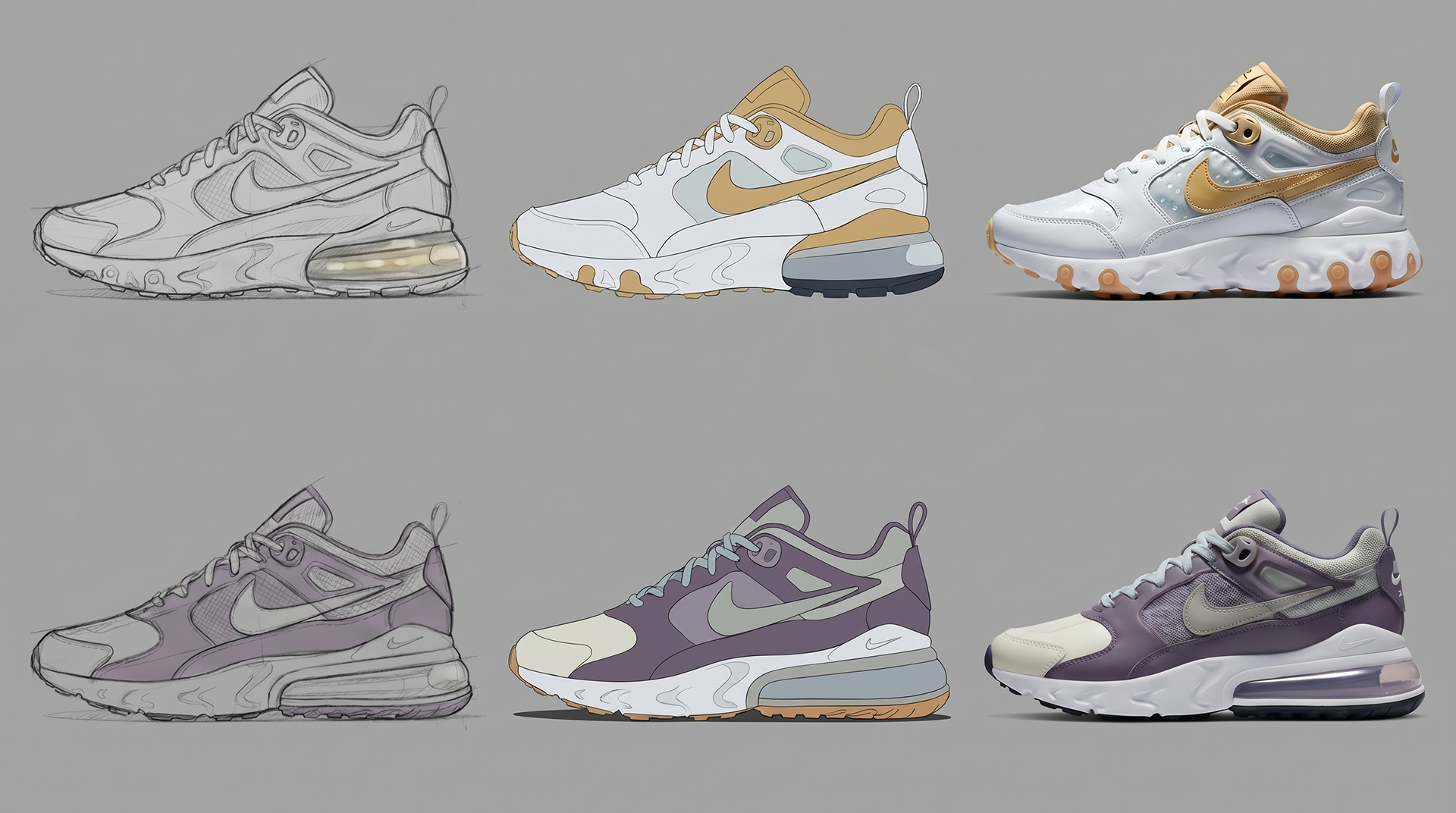
The two shoe directions are imagined as a hybrid between Nike React and Nike Air Max: one in a purple, white, and orange palette with a React-inspired feel, and a second in orange and white with more of an Air Max attitude. Both concepts explore a best-of-both-worlds mix of cushioning, energy, lifestyle appeal, and performance identity.
The two shoe directions are imagined as a hybrid between Nike React and Nike Air Max: one in a purple, white, and orange palette with a React-inspired feel, and a second in orange and white with more of an Air Max attitude. Both concepts explore a best-of-both-worlds mix of cushioning, energy, lifestyle appeal, and performance identity.
Process
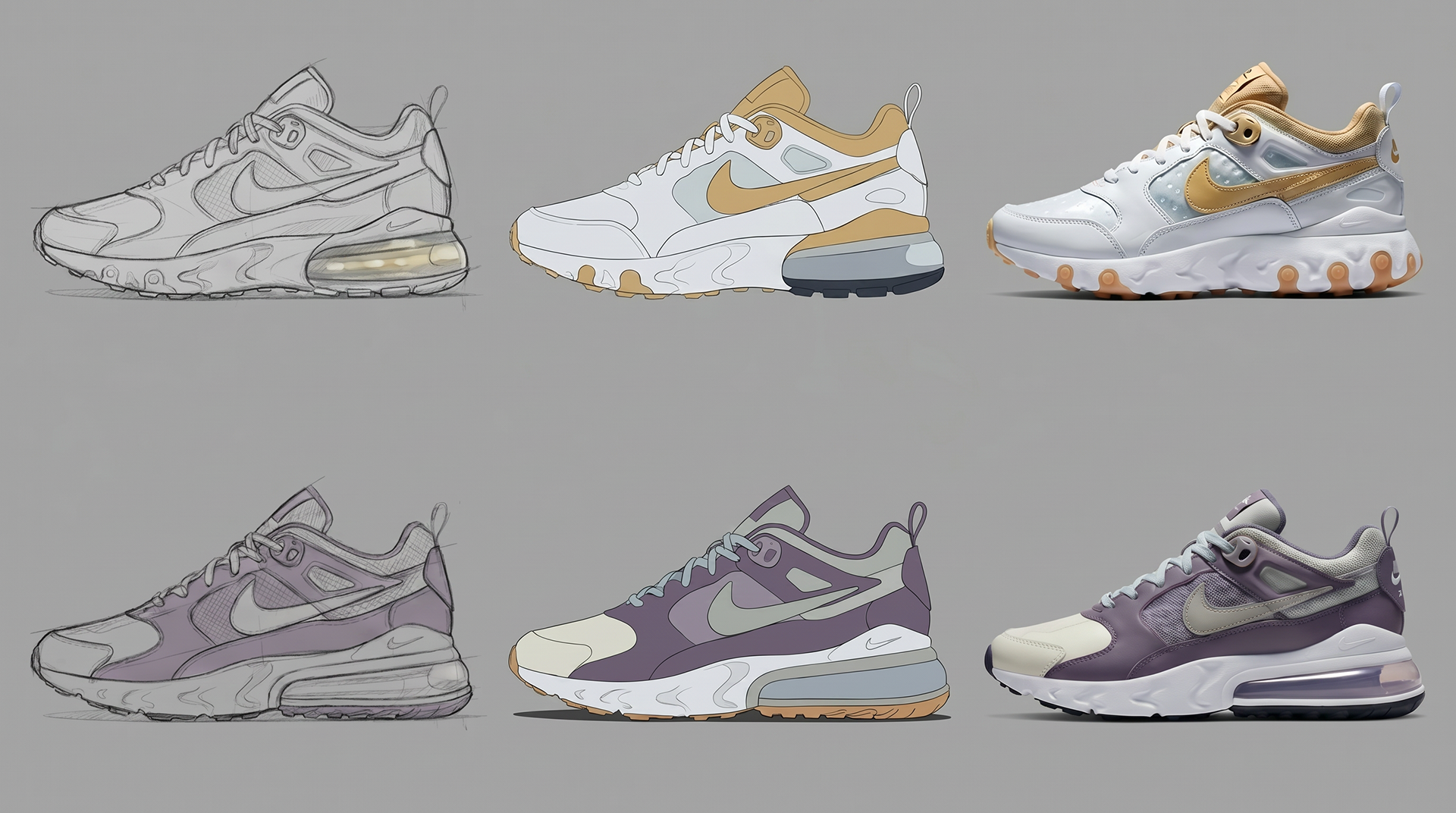
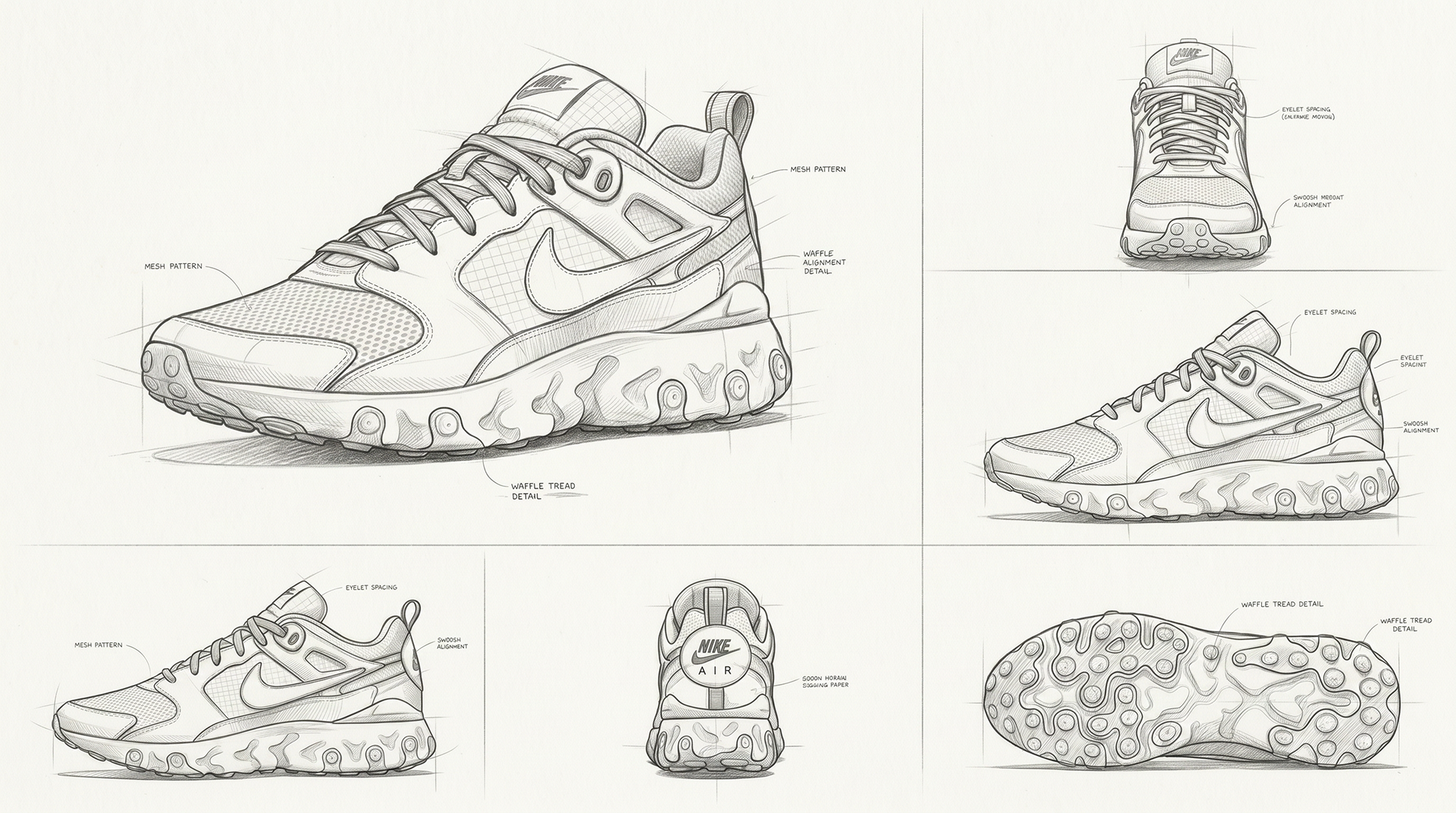
Vizcom was used to develop the shoe concepts, refine the silhouettes, and explore product form from sketches and layouts. Weavy was then used to build the campaign thinking around the product: gathering references, organizing visual direction, and shaping the mood, typography, styling, and layout language.
Vizcom was used to develop the shoe concepts, refine the silhouettes, and explore product form from sketches and layouts. Weavy was then used to build the campaign thinking around the product: gathering references, organizing visual direction, and shaping the mood, typography, styling, and layout language.
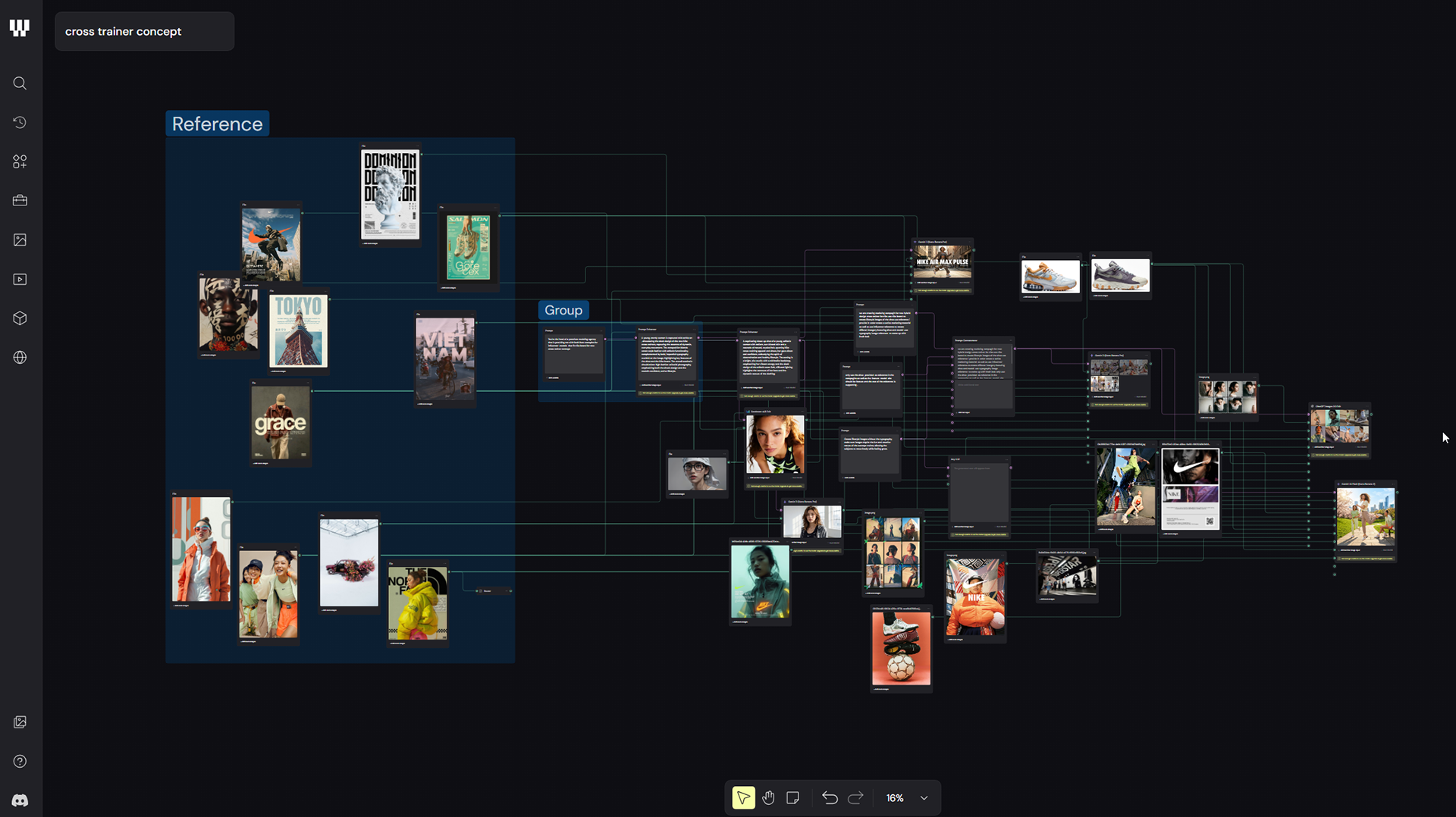
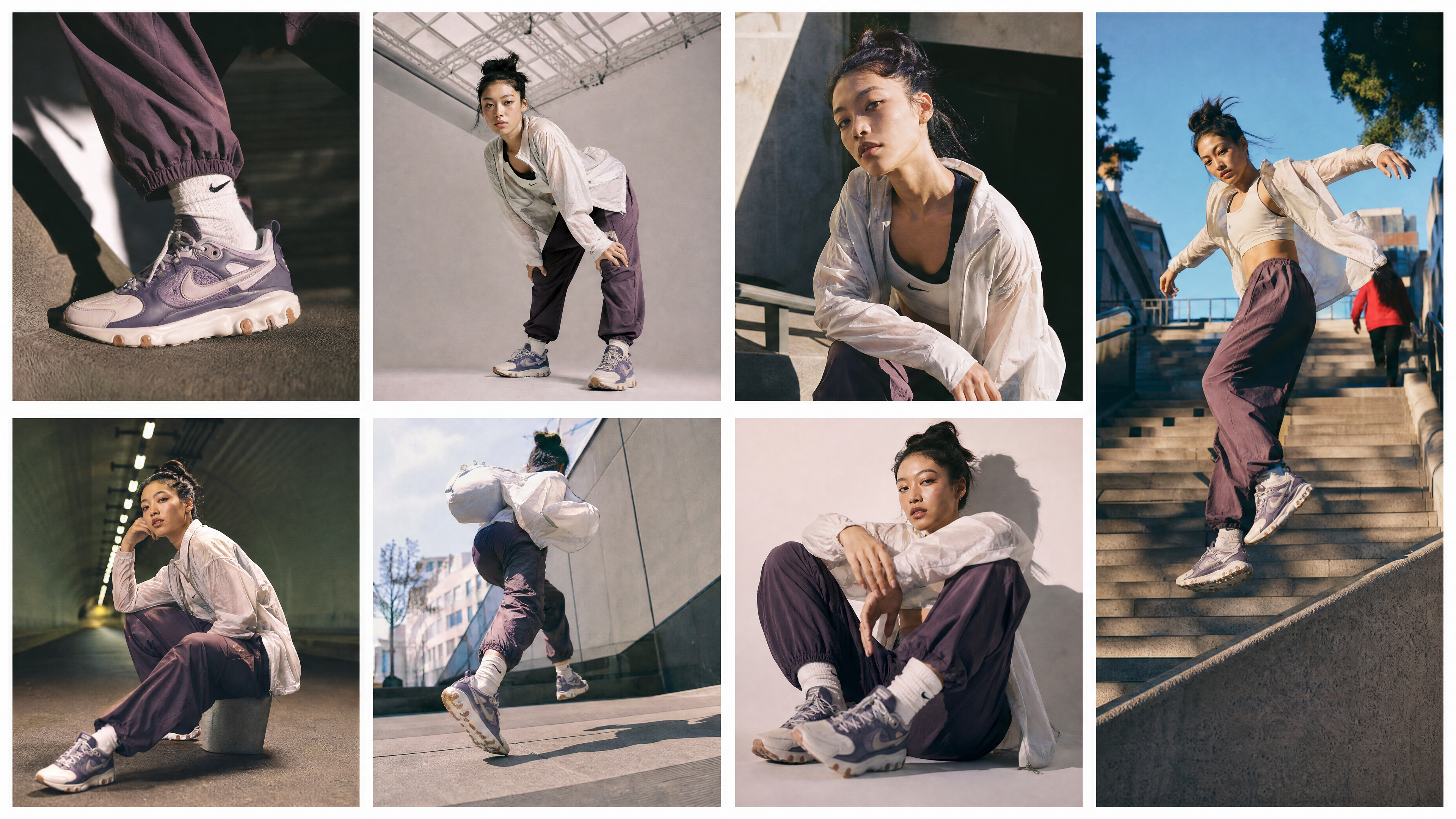
Figma Weave is where I was able to develop the campaign imagery
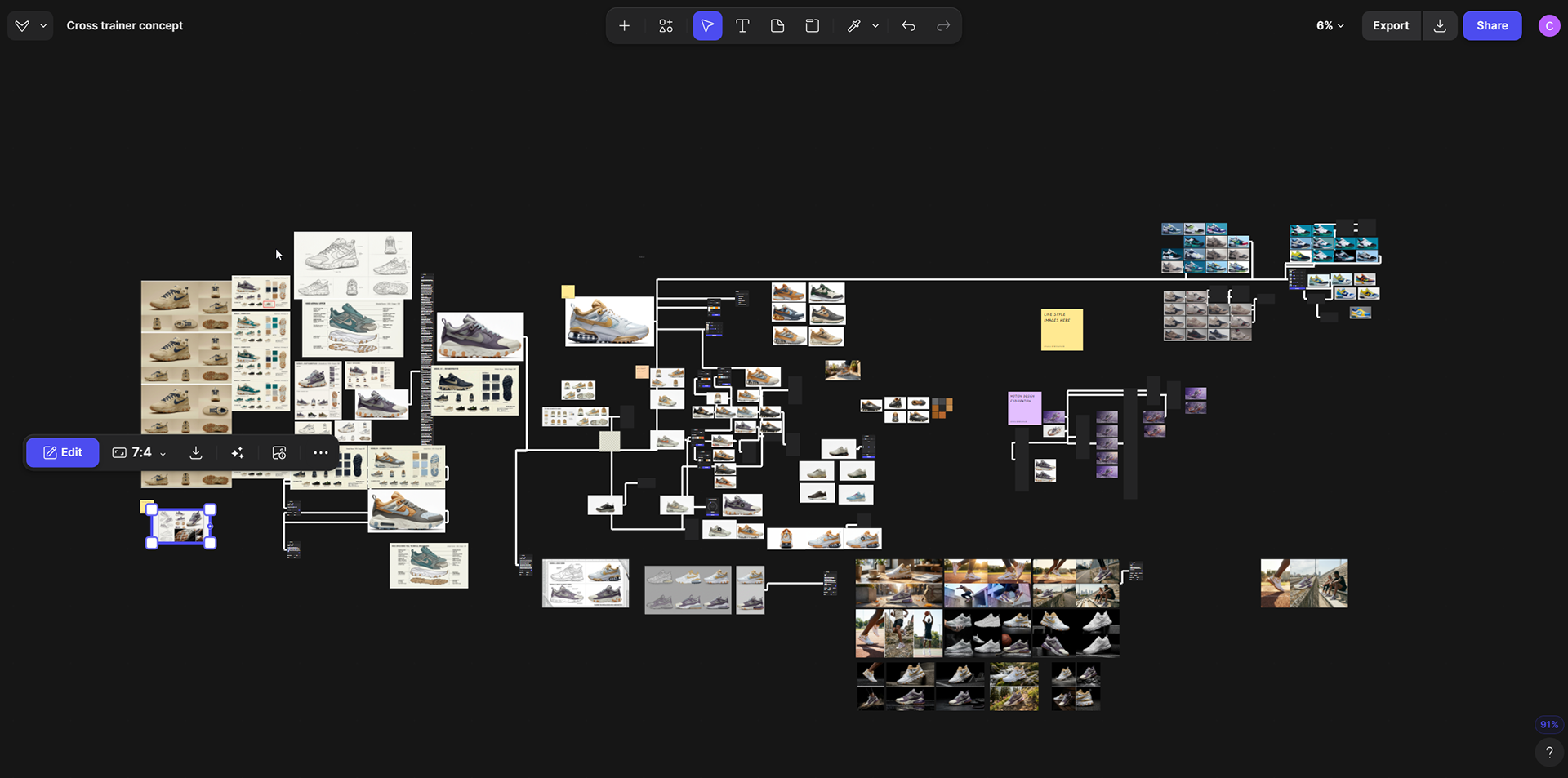
Vizcom is where I developed the look of the shoe ,
Creative Direction
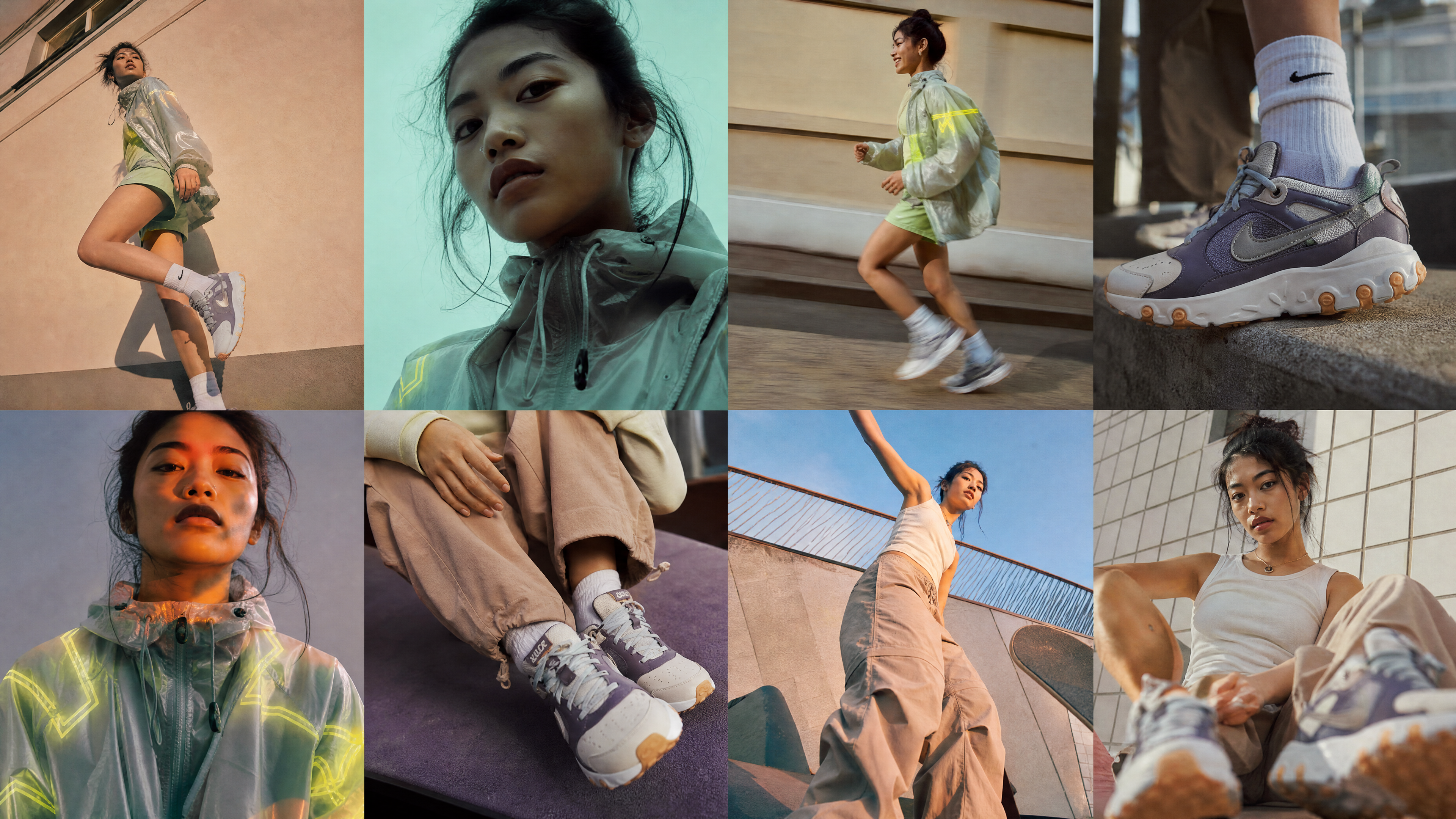
This workflow is less about generating isolated images and more about visualizing a campaign system. It shows how a designer can move from product idea to art direction, brand mood, model styling, and campaign imagery faster, while still using taste, reference, and creative judgment to guide the result.
This workflow is less about generating isolated images and more about visualizing a campaign system. It shows how a designer can move from product idea to art direction, brand mood, model styling, and campaign imagery faster, while still using taste, reference, and creative judgment to guide the result.
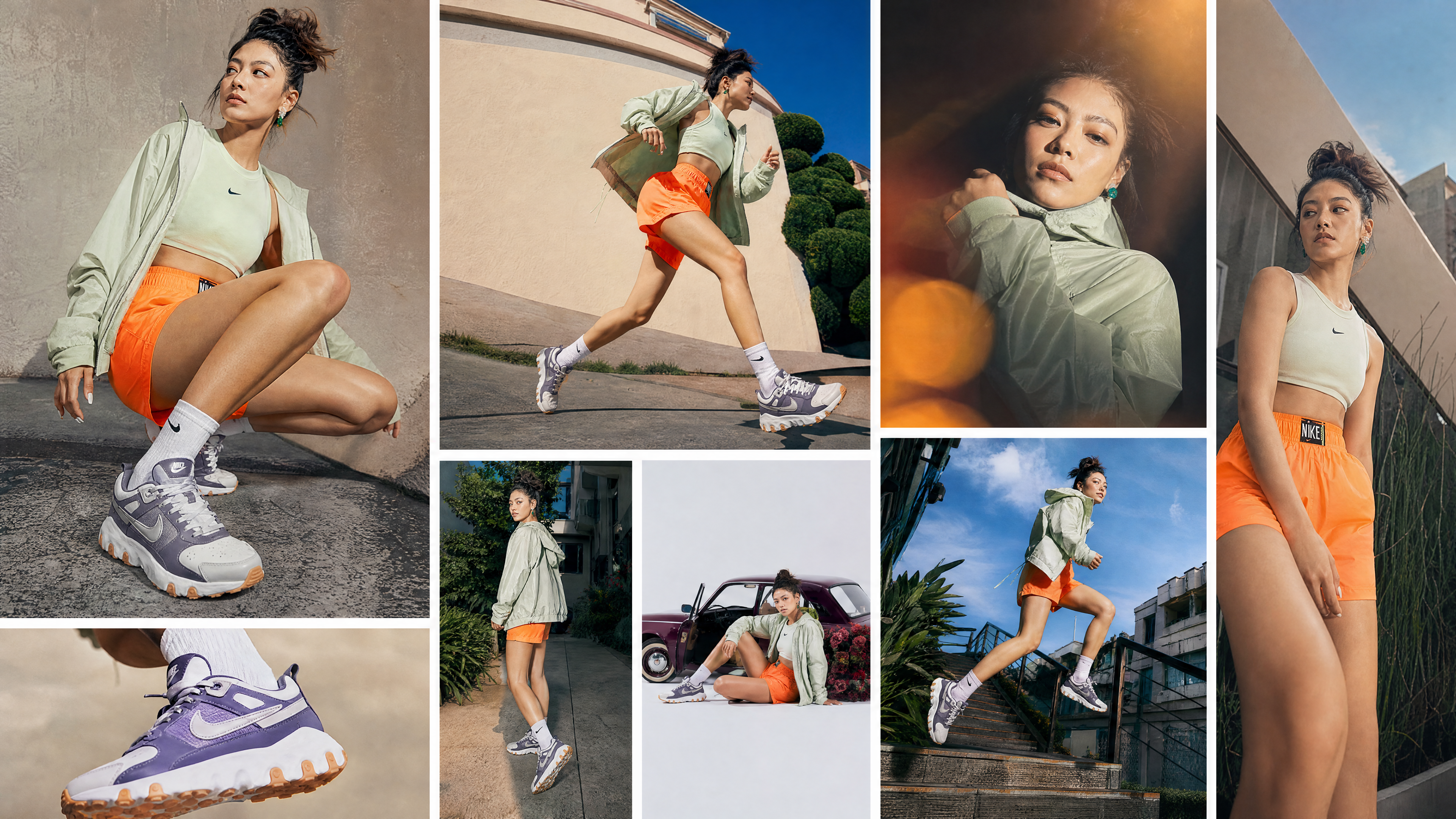
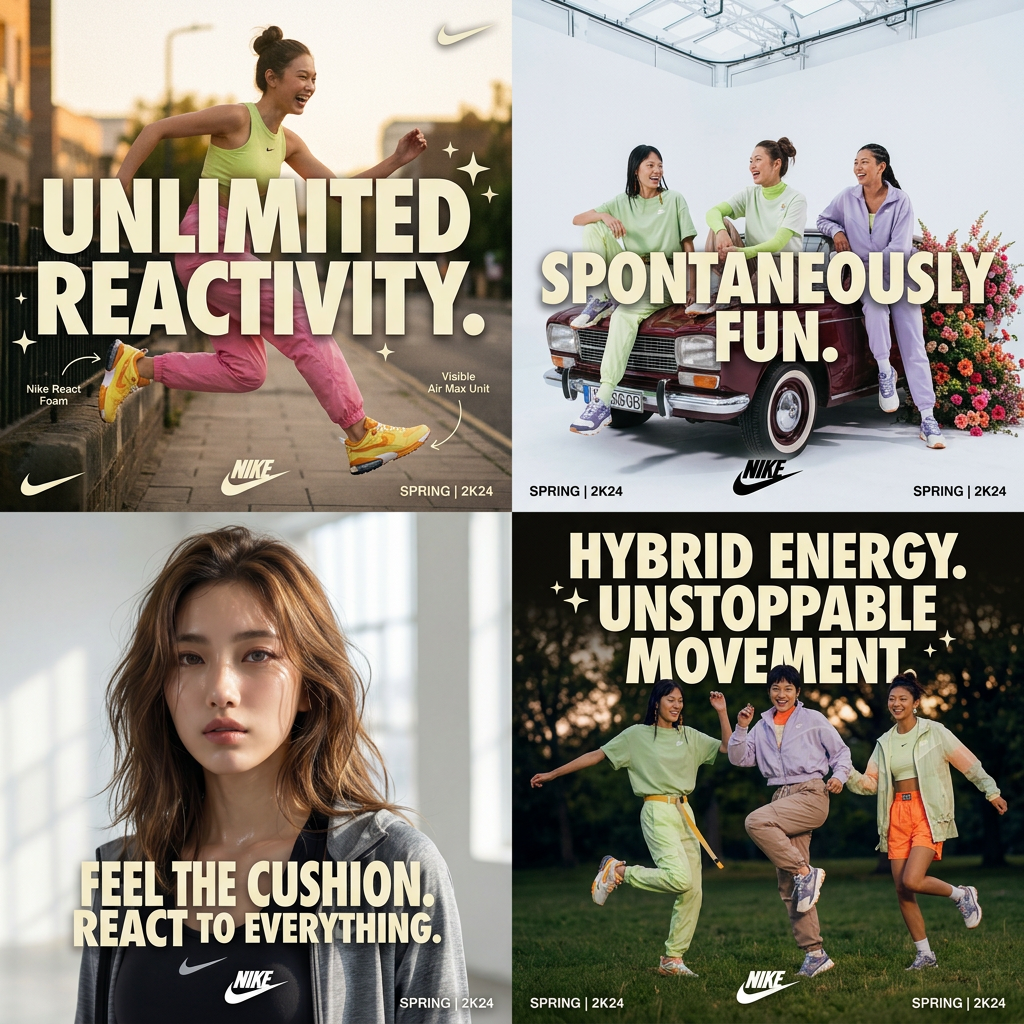
The result is a brand development study built around a custom product concept: part footwear design, part identity exploration, part campaign prototype. It demonstrates how AI tools can help turn early design thinking into a visual world that feels closer to a shoot, launch deck, or brand campaign direction.